
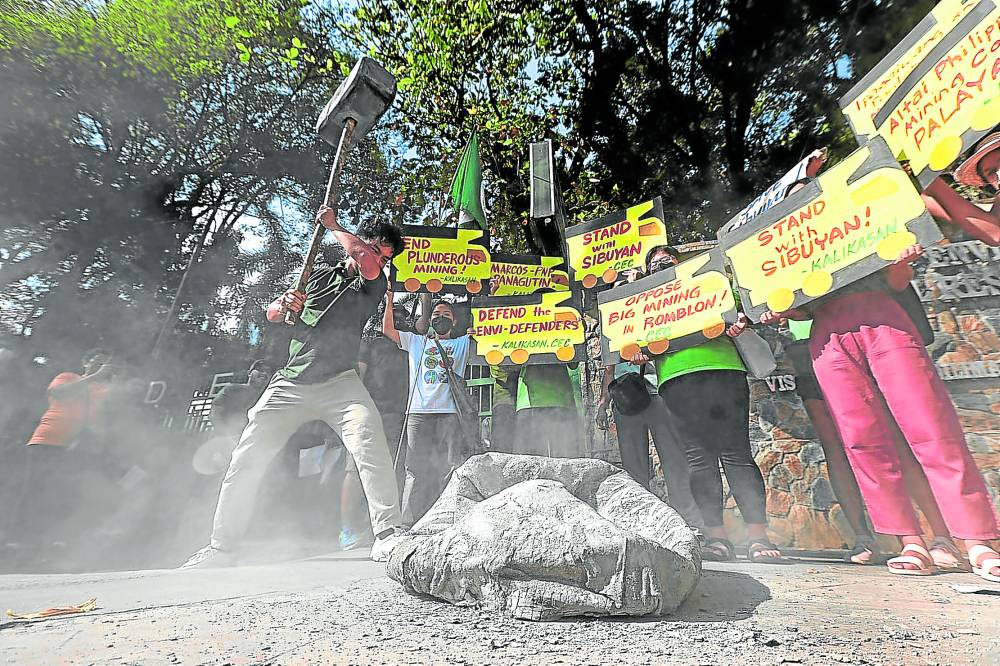
12 Sibuyan Anti-Mining Advocates Subpoenaed Over July Protest
A Legal Challenge to Environmental Activism on the Island
When environmental groups gather to oppose a mining project, they expect peaceful assembly and free expression to be protected. What happened to a dozen activists from Sibuyan Island in the Philippines instead reveals the complicated legal territory where environmental advocacy meets judicial authority.
Twelve anti-mining advocates from Sibuyan have been subpoenaed in connection with a protest they organized in July. This legal action raises important questions about how far communities can push back against extractive industries, and what protections—or risks—come with public dissent.
Understanding the Subpoenas and What They Mean
A subpoena is a court order requiring someone to appear and give testimony or produce evidence. In this case, the advocates face the legal obligation to respond to questions about their involvement in July’s demonstration. The nature of the legal proceedings—whether the subpoenas stem from criminal charges, civil disputes, or regulatory investigations—carries very different implications for the individuals involved.
For activists, subpoenas can represent either routine legal process or a deliberate tool to intimidate community opposition. Either way, they demand a response and can consume significant time and resources, especially for individuals without legal representation or experience navigating court systems.
Sibuyan Island and Its Mining Conflict
Sibuyan is a municipality in Romblon province, located in the central Philippines. The island has emerged as a focal point for tensions between economic development and environmental protection. Mining operations proposed or active in the region have drawn consistent opposition from local residents and environmental organizations concerned about watershed damage, biodiversity loss, and impacts on fishing communities.
The island’s geography makes it particularly sensitive to mining activity. Sibuyan is known for its forests, freshwater resources, and marine ecosystems that residents depend on for food and livelihood. Large-scale extraction threatens these resources in ways that cannot easily be reversed.
The July Protest: What Triggered It
In July, the twelve advocates organized a public demonstration against mining activities or mining permits affecting Sibuyan. Protests are a standard form of civic engagement in the Philippines, protected under the constitutional right to assembly and petition. The demonstration apparently brought community concerns about the mining project into public view, which may have prompted the legal response that followed.
Without knowing the exact contents of police reports or court filings, it’s unclear whether organizers or participants were accused of specific violations—such as blocking roads, trespassing on private property, or failing to obtain permits—or whether the subpoenas are more broadly investigative.
Legal Protection vs. Legal Pressure
Philippine law recognizes the right to peaceful assembly, but it also allows for restrictions if protests are deemed to violate public order, obstruct commerce, or involve violence or property damage. The line between protected speech and unlawful conduct is sometimes blurry in practice, which leaves activists uncertain about their legal standing.
Subpoenas place the burden of proof and explanation on activists rather than on authorities. Even if the individuals involved believe their protest was lawful and justified, they must now respond to the legal system—hire lawyers if they can afford them, appear in court, answer questions, and potentially face additional charges if their testimony or evidence is used against them.
Why Communities Oppose Mining on Sibuyan
Mining operations extract finite resources by removing large volumes of earth and rock, processing them to isolate valuable minerals, and leaving behind tailings ponds, open pits, and degraded landscapes. In tropical island settings like Sibuyan, the environmental stakes are particularly high:
Watershed damage: Mining can contaminate underground water reserves and surface streams that communities rely on for drinking water and irrigation. Once polluted, these sources are costly and difficult to restore.
Biodiversity loss: Sibuyan’s forests harbor endemic species found nowhere else on Earth. Habitat destruction from mining can drive species to extinction, reducing the island’s ecological value and the potential for sustainable tourism or bioprospecting.
Coastal and fishing impacts: Sediment runoff from mining sites can smother coral reefs and seagrass beds, destroying nurseries for fish populations that feed coastal communities. This affects food security and income for people whose families have fished Sibuyan’s waters for generations.
Long-term site restoration: Mining companies sometimes commit to reclamation after extraction ends, but enforcement is inconsistent, and fully restoring mined land often proves impossible. Communities bear the environmental costs long after the company has moved on.
Who Are the Advocates Facing Subpoenas?
The twelve individuals subpoenaed likely include local residents, environmental group members, and possibly national advocates who traveled to Sibuyan to support the July protest. Together, they represent a mix of motivations: livelihood protection, environmental stewardship, indigenous or ancestral land concerns, and belief in the principle that affected communities should have a voice in decisions that impact them.
These advocates are typically not wealthy or professionally connected. They are fishers, farmers, small business owners, and civil society workers who take time away from income-generating activities to participate in organizing and protest. Legal costs and court appearances add real financial strain to their lives.
The Broader Context: Mining and Protest in the Philippines
The Philippines has a long history of environmental protest and a strong civil society movement opposing large-scale mining. National environmental laws, including the Mining Act and the Environmental Impact Assessment System, theoretically require mining companies to undergo rigorous environmental review. However, enforcement is often weak, and once permits are issued, local opposition can face legal pushback from permit holders or sympathetic authorities.
Subpoenaing protest organizers is not unique to Sibuyan, though each case depends on specific circumstances. Advocates and human rights observers have raised concerns about whether such legal actions are used to suppress legitimate dissent or to gather intelligence on opposition groups.
What Happens Next for These Advocates?
The twelve individuals must comply with the subpoena by appearing at the designated time and place, usually a court or police station. They will be questioned about their roles in organizing or participating in the July protest. Their answers could be used in any subsequent legal proceedings against them or others.
If the subpoena relates to criminal charges, each person faces potential prosecution for any alleged violations. If it’s part of a civil lawsuit brought by the mining company or operator, testimony could affect the outcome of damages claims or injunctions. If it’s administrative or regulatory, the goal may be to gather facts for agency review.
In any scenario, having legal representation is crucial. Lawyers can advise advocates on their rights, help prepare them for questioning, and protect them from self-incrimination or coercive pressure.
Public Records and Transparency
In the Philippines, court records are generally public, though they may require formal requests to access. Advocacy groups and media organizations can file motions to obtain copies of the subpoenas, the associated legal filings, and eventually the case outcomes. This transparency helps the public understand whether the legal system is being used to protect genuine public order or to silence environmental opposition.
Practical Guidance for Travelers and Observers
If you’re planning to visit Sibuyan or support environmental causes on the island, be aware of the political and legal context. Peaceful assembly is protected, but knowing local regulations—such as permit requirements for organized gatherings and restrictions on protest sites—can help you participate responsibly and safely.
Respectful engagement with local communities, learning about their specific concerns, and supporting recognized environmental organizations working on sustainable development are all constructive ways to engage.
Frequently Asked Questions
What does it mean to be subpoenaed in the Philippines?
A subpoena is a legal order to appear and testify or produce evidence in a legal proceeding. Ignoring a subpoena can result in contempt-of-court charges. You have the right to legal counsel and to remain silent if your answers might incriminate you, though claiming that right may have consequences in civil cases.
Can environmental protests be illegal in the Philippines?
Peaceful assembly is a constitutional right, but protests can face restrictions if they block critical infrastructure, involve violence, damage property, or violate local ordinances. Whether a specific protest crossed the line depends on the facts and how authorities enforce the law.
How can I support anti-mining advocates facing legal challenges?
Donate to legal defense funds operated by environmental groups in the Philippines, amplify their stories through social media and networks, and advocate for transparent governance and due process in mining permit decisions.
The Path Forward
The subpoenaed advocates from Sibuyan represent a larger movement—one that insists communities have the right to question whether mining is worth its environmental and social cost. As their legal cases unfold, the outcome will signal whether Philippine courts see environmental activism as a protected right or as something to be constrained. For Sibuyan’s residents and ecosystems, the stakes remain as high as ever.