
Bird of Prey Found Floating in Philippine Waters Gets Second Chance
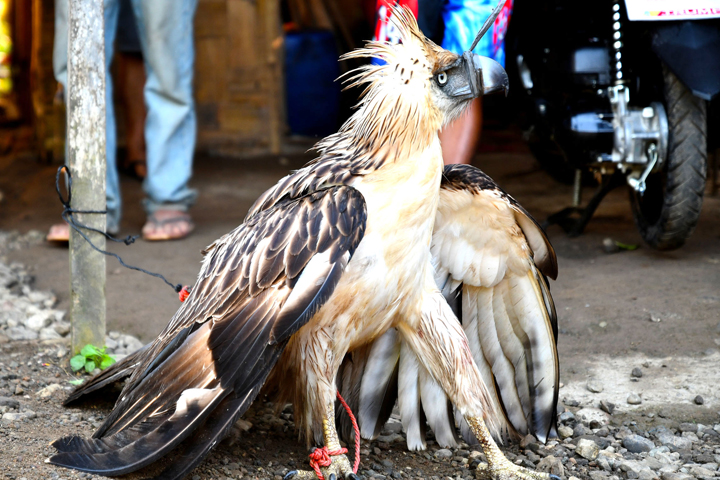
A bird of prey discovered struggling in the sea off Romblon receives emergency care from local authorities and environmental officials.
bird rescue Romblon
A Dramatic Ocean Rescue in the Philippines
Imagine casting your fishing line on a peaceful weekend morning, only to spot a large bird thrashing in the water nearby. That’s exactly what happened to Ricky Malacad, a resident of Inobahan in Poblacion at San Jose town, when he discovered a struggling raptor floating near Sitio Puro in Santa Fe, Romblon province. What began as an ordinary fishing trip became an unexpected wildlife rescue that would eventually connect the bird with trained environmental professionals.
The bird, locally known as a “lawin” or “banog,” was in visible distress when Malacad spotted it. Rather than leaving the creature to its fate, he took immediate action to help.
Identifying the Rescued Species
In the Philippines, the terms “lawin” and “banog” refer to various raptors—birds of prey known for their sharp talons, keen eyesight, and hunting prowess. These magnificent birds play a crucial ecological role by controlling rodent and small animal populations. However, they face numerous threats, from habitat loss to accidental injury, and encounters with fishing nets or debris in the ocean can be particularly dangerous.
The specific species rescued in this incident represents one of several raptor types found in Philippine waters and islands. Without being able to examine the bird immediately, local officials couldn’t confirm the exact species, but the rescue itself demonstrated the importance of swift intervention when wildlife is in trouble.
How the Rescue Unfolded
Malacad’s quick thinking prevented a potential tragedy. After retrieving the bird from the water, he coordinated with local authorities to ensure proper care. The raptor was delivered to the municipal environment and natural resources office in San Jose town on Saturday, September 26, according to the San Jose Municipal Information Office report filed on Monday, September 28.
The timing of the rescue was critical. A bird that has been struggling in saltwater faces dehydration, hypothermia, and exhaustion. Every minute counts when a wild animal has been exposed to marine conditions.
Environmental Protection and Legal Framework
The Philippines takes wildlife protection seriously. All raptors and wild animals fall under the protection of Republic Act No. 9147, commonly known as the Wildlife Resources Conservation and Protection Act of 2001. This legislation establishes penalties for harming, hunting, or capturing protected species and creates a framework for their rescue and rehabilitation.
Once the bird arrived at the municipal office, it became the responsibility of environmental authorities to assess its condition and determine the next steps for its recovery and eventual release back into the wild.
The Road to Recovery and Professional Care
After initial assessment at the municipal level, the raptor was scheduled for transfer to the provincial environment and natural resources office for more comprehensive evaluation. This multi-tier approach ensures that rescued wildlife receives the best possible care and increases the chances of successful rehabilitation.
Provincial offices typically have better equipment, more experienced handlers, and established protocols for treating injured or distressed wildlife. They can conduct thorough health examinations, provide necessary medical treatment, and monitor the bird’s progress over time.
Why Ocean Encounters Put Raptors at Risk
Birds of prey don’t typically hunt in the ocean—their prey consists of small mammals, insects, and occasionally other birds found on land or in trees. When a raptor ends up in the sea, it usually indicates something went wrong. Strong winds might have blown the bird off course, or it could have been chasing prey and miscalculated, landing in water.
Exhaustion is another possibility. If a raptor was already injured or weakened, it might have sought rest on the water’s surface, only to find itself unable to take flight again. Saltwater also damages feathers, which are essential for flight and temperature regulation.
Community Role in Wildlife Protection
This rescue story highlights the critical role that ordinary citizens play in wildlife conservation. Ricky Malacad didn’t need to be a trained biologist or environmental officer—he simply recognized that an animal needed help and took action. His decision to contact local authorities rather than attempt amateur treatment of an injured wild bird represents exactly the right approach.
Fishermen, farmers, and coastal residents often encounter wildlife in distress. Knowing what to do and who to contact can mean the difference between a successful rescue and a lost animal.
Romblon Province and Its Biodiversity
Romblon, an island province in the Philippines, is part of a larger ecosystem rich in biodiversity. The waters and islands surrounding municipalities like San Jose and Santa Fe provide habitat for numerous bird species, marine life, and terrestrial fauna. Protecting these creatures is essential for maintaining the ecological balance of the region.
Santa Fe, where this rescue occurred, sits within this biodiverse landscape. The presence of raptors in the area suggests a relatively healthy ecosystem with sufficient prey populations to support predatory birds.
Practical Steps for Reporting Wildlife in Distress
If you’re visiting Romblon or any part of the Philippines and encounter an injured, stranded, or distressed wild animal, here’s what you should do: First, don’t attempt to handle the animal yourself, especially raptors, which have powerful talons and beaks. Instead, contact your local municipal environment and natural resources office, local government unit, or the Department of Environment and Natural Resources (DENR). In emergencies, you can also reach out to the Philippine National Police or barangay officials.
Document the location as precisely as possible using landmarks or GPS coordinates if available. This information helps authorities locate the animal and assess the area for other potential hazards.
Frequently Asked Questions About Wildlife Rescue in the Philippines
What should I do if I find an injured bird while visiting a Philippine island?
Contact the nearest municipal environment office, barangay hall, or DENR office immediately. Provide your location and a description of the bird’s condition. Do not attempt to capture or handle the animal, as this may cause additional injury and puts you at risk.
Are all raptors protected under Philippine law?
Yes, wild raptors are protected under Republic Act No. 9147. This means they cannot be legally captured, hunted, or harmed. Violations can result in significant penalties.
How long does wildlife rehabilitation typically take?
Recovery time varies depending on the animal’s injuries and overall health. Some birds recover within weeks, while others may require months of care before they’re ready for release.
Looking Forward: Supporting Wildlife Conservation
Stories like the raptor rescue in Romblon remind us that wildlife conservation isn’t just the job of government agencies—it’s a community effort. Visitors to Romblon and other Philippine destinations can support this mission by reporting distressed animals, respecting wildlife habitats, and choosing environmentally responsible activities during their travels.
If you’re planning a trip to Romblon, consider learning about local wildlife before you arrive. Knowing which species inhabit the area and understanding their conservation status will deepen your appreciation for the region’s natural heritage and help you contribute positively to its protection.