
Discover Tablas Island in Romblon: A Hidden Beach Paradise
Why Chau Morales Can’t Stop Raving About Romblon
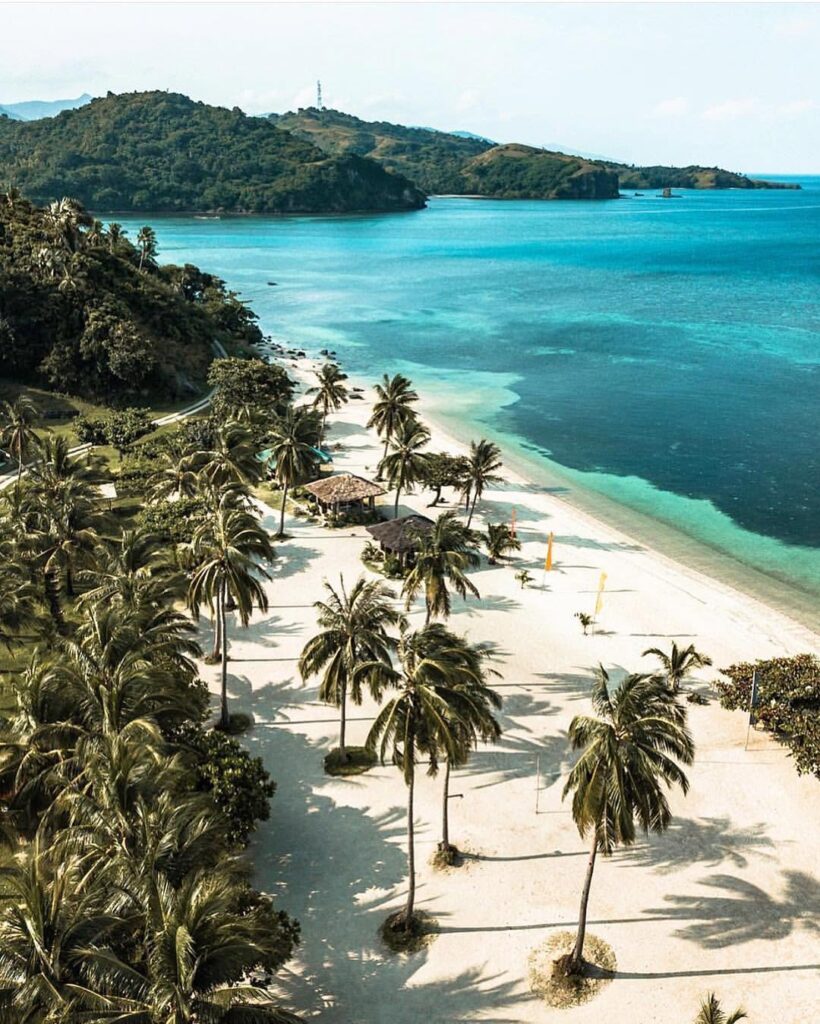
There’s a stretch of white sand and turquoise water in the Philippines that’s captured the attention of travel content creators—and for good reason. Tablas Island, located in Romblon province, represents the kind of destination that rewards curious travelers willing to venture beyond the usual tourist circuits.
Chau Morales, a culture and travel journalist, has become vocal about the appeal of this island. The recommendation carries weight because it highlights a lesser-known corner of the Philippines that delivers on beach beauty without the overwhelming crowds of more famous destinations.
Where Tablas Island Fits Into Romblon’s Geography
Romblon is an archipelago located between Mindoro and Panay in the Visayas region. Tablas is the largest island in the province, making it a logical base for exploring the wider area. The island sits at the heart of a cluster of small islands, each with distinct character and appeal.
Unlike the developed beach zones of Boracay or Palawan, Tablas maintains a quieter atmosphere. The island’s infrastructure has grown to accommodate visitors, but it hasn’t sacrificed its authentic, laid-back vibe in the process.
What Makes Tablas Stand Out
The beaches themselves are the main draw. The sand is fine and light-colored, the water ranges from pale turquoise to deeper blue depending on the time of day and location, and the overall setting feels removed from city noise. Several beaches ring the island, each with slightly different characteristics.
Beyond the shoreline, the island offers a mix of natural features. Inland areas include small farming communities, forest patches, and local villages where traditional ways persist. This blend of beach relaxation and cultural curiosity gives visitors multiple reasons to stay longer than a quick day trip.
Getting There: Logistics That Matter
Reaching Tablas requires planning, but nothing overly complicated. Most visitors fly into Manila, then travel south to either Romblon or Panay. From Romblon City (on Romblon Island), a short ferry ride connects you to Tablas. Travel time is typically 30 to 45 minutes depending on sea conditions.
Alternatively, some routes depart from ports on nearby islands. Once on Tablas, transportation options include tricycles (motorcycle taxis), jeepneys (shared public transport), or motorcycles for rent. Prices are low compared to tourist hubs—a tricycle ride across a portion of the island rarely exceeds a few hundred pesos.
Beaches Worth Your Time
Tablas doesn’t have a single “main” beach—instead, it offers several worthwhile spots scattered along its coastline. Popular areas include those near the towns of San Agustin and Odiongan, where basic accommodation and eating options cluster.
The beaches here are best visited during dry season, which runs roughly from November through May. During these months, water is calm, visibility is excellent, and weather is predictable. Afternoon winds can pick up, so early morning or late afternoon swims are often ideal.
Snorkeling and Water Activities
The reefs surrounding Tablas support decent snorkeling, especially in protected coves. The coral health varies by location—some areas show robust growth, while others reflect damage from past storms or fishing practices. Local guides can point you toward the healthiest spots.
Island-hopping tours are commonly available. These usually combine Tablas with nearby islands, offering chances to visit smaller uninhabited islands, see seabird colonies, or explore limestone formations. Day trips typically cost between 800 and 1,500 pesos per person depending on group size and itinerary.
Local Food and Where to Eat
Romblon’s culinary identity centers on seafood. Fresh fish, squid, and shellfish appear on nearly every restaurant menu. Local specialties include tinola (a ginger-based soup with fish or chicken) and various grilled seafood preparations that take advantage of the day’s catch.
Eating establishments range from simple beachside stalls to small family-run restaurants. Prices are budget-friendly—a full meal with rice, protein, and vegetables typically costs 150 to 300 pesos (roughly 3 to 6 USD). Street vendors near market areas sell fresh tropical fruits and snacks for even less.
Where to Stay on Tablas
Accommodation on Tablas remains modest compared to resort-heavy destinations. Options include small beachfront cottages, family-run guesthouses, and basic hotels in the larger towns. Many places lack air conditioning but offer ceiling fans and natural ventilation—perfectly adequate given the island’s tropical breeze.
Nightly rates generally fall between 500 and 2,000 pesos for a basic room, with beachfront properties commanding the higher end of that range. Booking through local tourism websites or contacting guesthouses directly often yields better rates than international platforms.
Exploring Beyond the Beach
Tablas isn’t purely a beach destination. Inland, small villages offer glimpses of rural Philippine life. Markets in towns like Odiongan sell local produce, textiles, and handmade goods—a chance to pick up authentic souvenirs without the markup of tourist shops.
Hiking trails exist but aren’t heavily marked or promoted. Asking locals about paths to viewpoints or natural springs can lead to rewarding discoveries. A guide is helpful, both for navigation and for learning about local history and ecology.
Best Time to Visit Tablas
November through May represents peak season. Typhoon season, which typically runs June through October, brings heavy rainfall and rough seas. While not impossible to visit during these months, water sports and beach time become unreliable.
December and January are particularly popular with both local and international travelers, meaning beaches and guesthouses fill up quickly. Booking accommodation in advance during these months is essential.
Cultural Considerations and Responsible Travel
Romblon residents are generally welcoming to visitors, but respect for local customs matters. Dress modestly when visiting village areas, ask permission before photographing people, and support local businesses by eating at family-run restaurants and buying from local vendors.
The island’s ecosystems—coral reefs, mangroves, and forest areas—merit care. Use reef-safe sunscreen, avoid stepping on coral, and take all trash with you. These small choices preserve what makes the destination appealing.
Frequently Asked Questions About Tablas Island
Is Tablas Island safe for solo travelers?
Yes. Tablas attracts solo visitors regularly, and petty crime is uncommon. Use standard travel precautions—secure your valuables, avoid traveling alone at night in unfamiliar areas, and let someone know your plans—but the island is generally considered safe.
How long should I stay on Tablas?
Three to four days allows time to relax on beaches, take a snorkeling or island-hopping tour, and explore a village or two. Longer stays work for those seeking deep relaxation or planning multiple day trips to surrounding islands.
What should I bring to Tablas?
Pack reef-safe sunscreen, a hat, and lightweight clothing for hot days. Medications and toiletries can be harder to find in smaller towns, so bring what you need. Cash is essential—ATMs exist but can be unreliable, and credit cards aren’t widely accepted outside larger establishments.
Planning Your Tablas Island Trip
A destination gains traction when travelers experience something authentic. Tablas delivers on that front—it’s a place where you can swim in clear water, eat fresh seafood, interact with locals on genuine terms, and walk away with the sense of having discovered something real rather than consumed something packaged.
Start by checking ferry schedules from Romblon City and booking accommodation for your preferred dates. Build in flexibility for weather, which can shift quickly during shoulder seasons. Bring curiosity alongside your beach towel, and allow the island to reveal itself at its own pace.