
Heavy Rain Triggers Soil Collapse on Barangay Capaclan Road in Romblon
When Nature Blocks the Way: A Landslide Shuts Down Access in Romblon
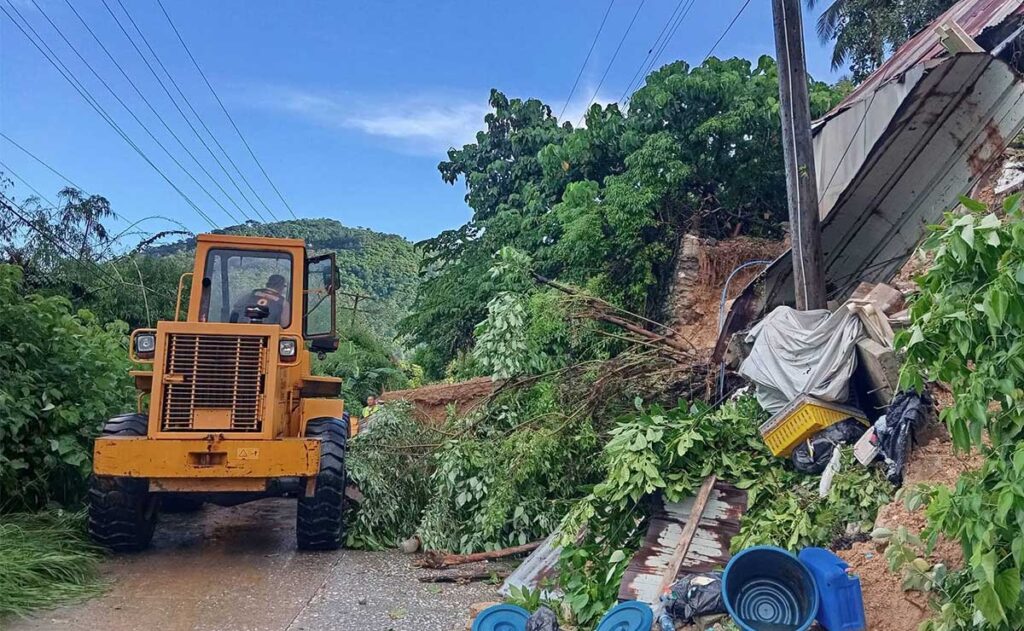
Early Saturday morning, October 3, 2026, heavy rainfall in Barangay Capaclan transformed an ordinary road into an impassable barrier. A landslide triggered by continuous, intense rain dumped soil and debris across the roadway, cutting off access to the area and forcing immediate emergency response from local authorities.
The incident illustrates just how vulnerable coastal and elevated communities in the Philippines can be during monsoon seasons. When soil becomes saturated, even a well-maintained road can collapse within hours, trapping residents and disrupting essential services.
What Happened on October 3rd
The landslide struck early in the morning when rainfall was at its heaviest. Continuous water flow weakened the soil along the roadside, causing it to lose structural integrity and cave inward onto the pavement below. The collapse was sudden and severe enough to render the road completely unusable for traffic.
Local authorities responded quickly. Personnel from the Provincial Disaster Risk Reduction and Management Office (PDRRMO), Romblon Electric Cooperative, and the Provincial Engineering Office coordinated to clear the debris and restore access. Working together, these teams removed soil and other materials that had buried the roadway, launching clearing operations soon after the incident was reported.
Why Landslides Happen in Romblon
Romblon’s geography makes it susceptible to soil movements during the rainy season. The province sits in an area prone to heavy monsoon rainfall, especially from June through November. When water saturates hillside and roadside soil, it reduces friction between soil particles, allowing gravity to pull unstable earth downslope.
Roads cut through elevated terrain are particularly vulnerable because they expose bare soil and disrupt natural drainage patterns. A road that seems perfectly fine during dry months can become dangerous as soon as sustained rainfall begins. The October 3rd event in Barangay Capaclan was a textbook example of this seasonal risk.
The Emergency Response
The coordinated response involved multiple agencies working in tandem. The PDRRMO led disaster management efforts, while the Provincial Engineering Office assessed structural integrity and planned removal operations. The Romblon Electric Cooperative participated in clearing work to ensure power lines and electrical infrastructure weren’t compromised by fallen soil and debris.
Initial assessments reported no injuries or property damage beyond the road obstruction itself. The speed of the response meant residents could regain access relatively quickly, minimizing economic disruption to the barangay.
What Residents Need to Know
For people living in or traveling to Barangay Capaclan and surrounding areas of Romblon, landslide awareness is essential during rainy months. Heavy rainfall can occur with little warning, and road closures may happen suddenly. Always check local weather forecasts and road condition reports before traveling to elevated or coastal areas during the monsoon season.
If you’re planning to visit Romblon between June and November, build flexibility into your itinerary. Roads that connect barangays may become temporarily impassable, and travel times can increase unpredictably. Local officials often post updates on road conditions, so staying connected to local news and radio broadcasts is a practical safety measure.
Preparation and Prevention
The incident in Barangay Capaclan underscores the importance of preventive infrastructure maintenance. Regular inspection of roadside soil stability, proper drainage installation, and reinforcement of vulnerable sections can reduce landslide frequency and severity. These are long-term projects that require sustained investment from local and provincial government.
Community preparedness also matters. Residents should know evacuation routes and have emergency supplies on hand during the rainy season. Understanding which roads are historically prone to closure helps families plan ahead and avoid being stranded.
Similar Incidents in the Philippines
Landslides affecting roads are not unique to Romblon. In October 2024, a similar event closed a major road in Nueva Vizcaya, demonstrating that this hazard affects provinces across the country. Mountainous and hilly terrain, combined with tropical rainfall, creates conditions where soil instability remains an ongoing public safety concern.
The Philippine response to these incidents has improved over the years, with faster coordination between disaster management agencies and quicker deployment of clearing equipment. However, prevention remains more cost-effective than crisis management.
Travel Tips for Visiting Romblon During Rainy Season
Check road conditions before departing. Contact the Provincial Engineering Office or local tourism offices for updates on road accessibility. Many roads reopen quickly once clearing is complete, but it’s worth confirming before you leave.
Allow extra travel time. Expect journeys to take 30-50% longer than normal during heavy rain. Roads may require detours around damaged sections, and visibility decreases in downpours.
Avoid traveling at night during storms. Landslides are harder to spot in darkness, and emergency services take longer to respond. If possible, postpone travel until daylight and weather conditions improve.
Keep your vehicle in good condition. Ensure tires have good tread for wet roads, brakes are responsive, and windshield wipers work properly. A breakdown on an unstable road puts you at serious risk.
Frequently Asked Questions
How long do road clearing operations typically take? It depends on the volume of debris and equipment available. The October 3rd incident in Barangay Capaclan saw prompt response, with clearing operations beginning soon after the collapse. Many similar incidents can be resolved within hours to a day, though larger landslides may take longer.
Are there warning signs before a landslide happens? Sometimes. Fresh cracks in nearby soil, tilted trees, or water flowing in unusual directions can indicate instability. However, many landslides occur suddenly without obvious advance warning, which is why monitoring rainfall intensity during monsoon season is crucial.
Is Romblon safe to visit during rainy months? Yes, but with precautions. Most roads remain passable, and emergency services are prepared for weather-related incidents. The key is staying informed, maintaining flexibility in your travel plans, and avoiding unnecessary trips during heavy downpours.
Planning Your Romblon Visit
The October 3rd landslide in Barangay Capaclan reminds travelers and residents alike that nature dictates the pace of life in island communities. Romblon remains a beautiful destination, but visiting during the dry season (December through May) eliminates weather-related uncertainty and allows you to focus on exploring beaches, diving sites, and historic landmarks without navigating around road closures.
If you do visit during rainy months, stay connected to local updates, keep your phone charged, and carry supplies that can sustain you if you’re temporarily delayed by weather or road conditions. The provincial government continues working on long-term infrastructure improvements, but awareness and personal preparedness remain your best defense against travel disruptions caused by seasonal landslides.