
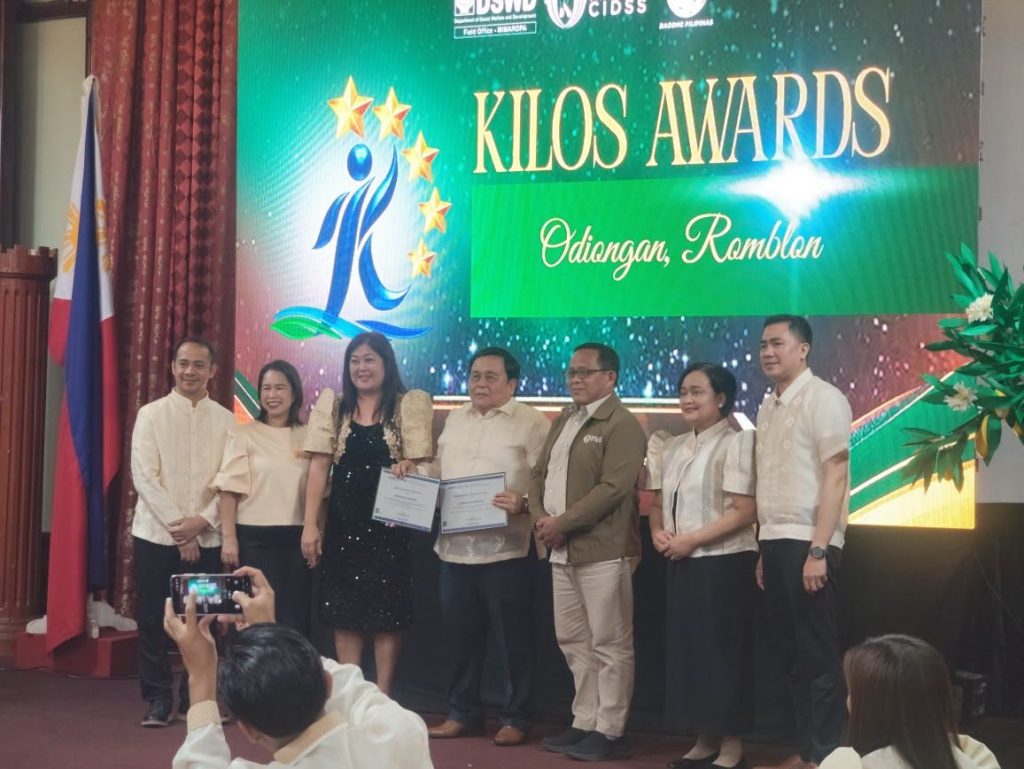
Romblon LGUs Receive DSWD Community Development Awards
Discover how 13 local government units in Romblon received prestigious DSWD KALAHI-CIDSS KILOS Awards for community development initiatives and social programs.
DSWD community development awards Romblon
A Recognition of Community Efforts Across Romblon
When a region receives multiple awards for community development in a single year, it signals something important is happening at the grassroots level. Thirteen local government units across Romblon province recently earned 31 DSWD KALAHI-CIDSS KILOS Awards, a significant milestone that reflects the province’s commitment to improving lives through organized community action. This recognition from the Department of Social Welfare and Development highlights the dedication of local leaders and residents working together to address development challenges.
The KALAHI-CIDSS program, which stands for Kapit-Bisig Laban sa Kahirapan-Comprehensive and Integrated Delivery of Social Services, has long been instrumental in connecting communities with resources and opportunities. The KILOS Awards specifically celebrate local government units that have demonstrated excellence in community participation, institutional strengthening, and sustainable development outcomes.
Understanding the KALAHI-CIDSS Program
For travelers and community observers interested in understanding local development in the Philippines, the KALAHI-CIDSS framework represents an important approach to poverty alleviation and social welfare delivery. The program operates through a community-driven development model where residents actively participate in identifying their own needs and implementing solutions.
The strength of this approach lies in its inclusivity. Rather than imposing top-down solutions, KALAHI-CIDSS empowers barangays and municipalities to conduct their own assessments, plan interventions, and monitor progress. This grassroots engagement often results in infrastructure improvements, livelihood programs, and social services that directly benefit residents in the areas you visit.
When you travel through Romblon and interact with local communities, many of the development projects you encounter—whether improved water systems, community centers, or skills training facilities—may have been supported through KALAHI-CIDSS initiatives. Understanding this context enriches your appreciation of how modern rural communities are evolving.
What the Awards Mean for Romblon’s Development
The 31 awards distributed across thirteen municipalities and cities in Romblon represent recognition across multiple development categories. These awards acknowledge achievements in areas like community organizing, local governance strengthening, infrastructure development, and social service delivery.
For visitors to Romblon, this level of recognition suggests that local government units are actively invested in improving public services and community infrastructure. Better-maintained roads, improved municipal services, and more organized community spaces often reflect the institutional strengthening that these programs encourage.
The awards also indicate that local leaders have successfully mobilized community participation in development planning. When residents are engaged in identifying priorities and implementing projects, the results tend to be more aligned with actual community needs rather than external assumptions about what a region requires.
Community Participation and Local Engagement
One of the defining features of the KALAHI-CIDSS approach is its emphasis on participatory processes. Barangay assemblies, community organizations, and volunteer groups work together to assess local conditions and determine development priorities.
This participatory model has practical implications for how communities function. It often strengthens local institutions, builds social cohesion among residents, and creates mechanisms for ongoing dialogue between government and constituents. When you visit communities that have engaged deeply in these processes, you may notice more visible community organization and better-maintained public spaces.
The awards themselves serve as validation that these efforts are being conducted effectively and sustainably. They motivate continued participation and provide external recognition that can boost community confidence in local initiatives.
Practical Implications for Travelers Visiting Romblon
If you’re planning a trip to Romblon, understanding the development landscape can enhance your experience. The province’s municipalities and cities are actively investing in community infrastructure, which often translates to better-maintained attractions, cleaner public spaces, and more organized local services.
When visiting barangays throughout Romblon, you may encounter community centers, improved water facilities, or organized tourism activities that reflect KALAHI-CIDSS support. These developments often improve the visitor experience by ensuring cleaner environments and more organized local services.
Romblon’s reputation as a gem for island-hopping and beach exploration is enhanced when local communities have the resources and organization to maintain facilities and provide quality service. The recognition of 13 LGUs suggests coordinated efforts across multiple areas of the province.
Infrastructure and Service Improvements
KALAHI-CIDSS awards often recognize improvements in basic infrastructure and services. This might include water system improvements, road rehabilitation, community center construction, or the establishment of health and education facilities.
For travelers, these improvements manifest as better road conditions when traveling between municipalities, more reliable water and sanitation facilities, and better-organized community spaces that may be used for local markets or cultural events. When you stop in municipal centers throughout Romblon, the quality of public facilities often reflects the level of local development investment.
The distribution of 31 awards across 13 LGUs suggests that multiple sectors within each municipality have been recognized, indicating comprehensive development efforts rather than isolated improvements.
Livelihood and Economic Development
Beyond infrastructure, KALAHI-CIDSS initiatives frequently support livelihood programs and economic development activities. These might include skills training programs, microenterprise development, or support for cooperative organizations.
When traveling through Romblon, you may encounter local craftspeople, agricultural producers, or service providers who have benefited from training and support programs. The quality and variety of local products available in markets often reflect the depth of livelihood program support in a community.
These economic initiatives help ensure that communities can sustain improvements over time by generating local income and reducing dependence on external support.
Local Governance and Institutional Strengthening
The awards also recognize improvements in local governance and institutional capacity. This includes strengthening municipal planning processes, improving financial management, and enhancing coordination between different government departments and community organizations.
Better-governed municipalities typically provide more reliable services to residents and visitors alike. This might mean more organized transportation systems, clearer signage, better-maintained public facilities, and more efficient processing of permits or services.
When local government institutions are strong, development gains tend to be more sustainable because there are systems in place to maintain facilities and continue programs over time.
The Broader Impact on Community Development
The recognition of 13 LGUs with 31 total awards indicates that Romblon province is experiencing broad-based development efforts. Rather than development being concentrated in one or two municipalities, these awards suggest that multiple communities across the province are making progress simultaneously.
This distributed development approach helps ensure that economic opportunities and improved services are available across the province rather than concentrated in major urban centers. For visitors, this means that exploring smaller municipalities and barangays throughout Romblon can offer authentic community experiences alongside improved basic services.
Common Questions About Community Development in Romblon
What types of projects does KALAHI-CIDSS fund? The program supports community-identified priorities including infrastructure (roads, water systems, community centers), livelihood programs, health and education services, and institutional development for local governments.
How does community participation work in these programs? Communities conduct participatory assessments to identify needs, then organize to plan and implement solutions with government support. This ensures projects reflect actual community priorities rather than external assumptions.
Can visitors see results of these programs when traveling in Romblon? Yes, improved infrastructure, community centers, and organized local services throughout municipalities often reflect KALAHI-CIDSS support. Better-maintained public spaces and facilities are visible indicators of program investment.
Planning Your Visit to Award-Winning Communities
As you plan travel to Romblon, consider exploring municipalities across the province rather than concentrating only in major urban centers. The distribution of awards across 13 LGUs suggests that development improvements are happening throughout the province, making smaller towns and barangays increasingly accessible for visitors.
When visiting local communities, take time to observe local infrastructure and services. The quality of public facilities, condition of roads, and organization of local markets often reflect the depth of local development efforts and community engagement.