
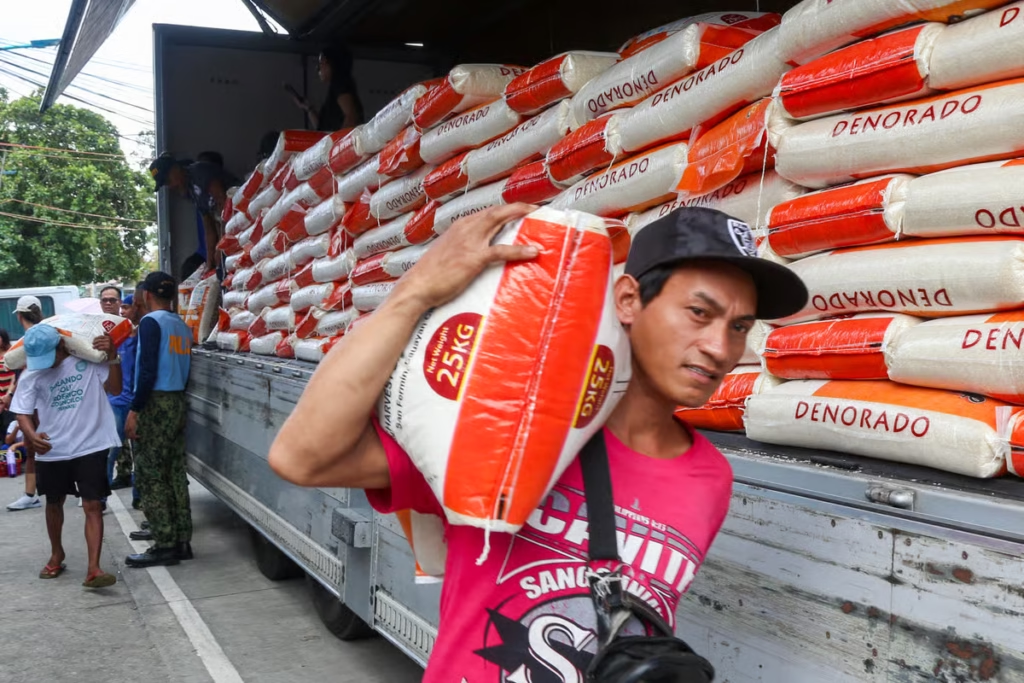
Rice Assistance Plan Targets Thousands of Households in Romblon
For families managing a tight food budget, receiving rice regularly can help ease one of the most important household expenses. In Romblon, a provincial government initiative is expected to provide food assistance to 23,879 eligible households during the final three months of 2026.
According to a report by Daily Tribune published on October 20, 2026, the program has a budget of ₱46 million and is designed to support financially vulnerable families across the island province. Each qualified household is scheduled to receive 10 kilograms of rice every month from October through December.
What the ₱46-Million Rice Assistance Program Includes
The planned initiative will cover 23,879 households identified through the Community-Based Monitoring System (CBMS). This system helps local governments assess household circumstances and identify people who may need public assistance.
Under the announced distribution plan, each qualified family will receive 10 kilograms of rice per month for three consecutive months. That amounts to 30 kilograms per household across the entire October-to-December period, provided the scheduled allocations are delivered.
The program is intended to help families meet their basic food needs while reducing the share of their household budgets devoted to rice. The ₱46-million allocation represents the overall food assistance initiative, not a cash payment that each household will receive.
Governor Trina Firmalo-Fabic announced the planned assistance and explained that the provincial government had added funding to the initial allocation to reach more beneficiaries and extend the program’s coverage. The assistance package also includes support from the national government.
Which Areas Will Receive Rice Assistance First?
The provincial government plans to start distributing rice in San Jose and Corcuera. After the initial rollout, the program is expected to extend to municipalities on Tablas, Romblon and Sibuyan islands.
Because Romblon consists of multiple islands, distributing supplies requires more coordination than delivering goods across a single, connected road network. Provincial personnel must work with municipal governments and local teams to identify eligible households and organize deliveries.
The sequence of distribution matters because supplies must reach communities across different islands. However, the published report does not provide a complete schedule for every municipality or specify the final number of beneficiaries in each locality.
Families should therefore avoid assuming that all municipalities will receive their allocations on the same day. The initial rollout and subsequent local announcements should provide a clearer picture of when assistance becomes available in each community.
How Beneficiaries Are Identified
The use of CBMS data is an important part of the program’s approach. Rather than treating every household as automatically eligible, the initiative is intended to direct assistance toward families identified as economically vulnerable through the monitoring system.
CBMS provides local governments with information about poverty and household living conditions. Such information can help officials determine where support is needed and improve the targeting of public programs.
However, the reported announcement does not list all eligibility requirements, the complete beneficiary roster, or the process for correcting household records. Residents should confirm these details with their municipal government rather than relying on assumptions about qualification.
Households that believe they may qualify can ask their municipal social welfare office or relevant local government office whether their information is included in the program’s records. They should also ask what identification or documentation, if any, is required during collection.
Why Rice Assistance Matters for Household Budgets
Rice is a staple food in many Filipino households, making its cost a regular part of family budgeting. When money is limited, even a modest reduction in the amount a family needs to spend on basic food can help free up funds for other necessities.
For eligible households receiving the full allocation, 10 kilograms of rice each month could help supplement the family’s existing food supply. Over three months, the scheduled total reaches 30 kilograms, offering support throughout the final quarter of the year.
The assistance is intended to reduce pressure on household food budgets, although the actual effect will vary depending on each family’s size, consumption and other expenses. The announcement does not establish that the program will cover all rice needs or eliminate food insecurity among beneficiaries.
It is also important to distinguish the announced plan from completed distribution. The report describes assistance expected to begin during the week of October 20, 2026, with further allocations planned for November and December. Confirmation from local authorities will be needed to establish how the rollout progresses.
Distribution Challenges Across Romblon’s Islands
Delivering food assistance across an island province involves practical coordination. Supplies must be moved to the relevant municipalities, distribution arrangements must be communicated, and eligible households must be identified before deliveries can be completed.
The provincial plan specifically includes San Jose and Corcuera in its initial stage, followed by municipalities on Tablas, Romblon and Sibuyan islands. The report does not specify individual delivery routes, transportation costs, or the exact number of kilograms allocated to each municipality.
For that reason, residents should look for local announcements before making a special trip to a distribution site. Confirming the date, location and collection requirements in advance may help avoid unnecessary travel, particularly for households living far from municipal centers.
Frequently Asked Questions
How much rice will each qualified household receive?
Each eligible household is scheduled to receive 10 kilograms of rice monthly from October through December 2026. If all three allocations are delivered as planned, that equals 30 kilograms per household for the full period.
Who can receive assistance under the program?
The initiative is intended for financially vulnerable households identified through the Community-Based Monitoring System. The published announcement does not provide a complete list of eligibility rules, so residents should contact their municipal government to verify their status.
When and where will the rice be distributed?
The rollout was scheduled to begin during the week of October 20, 2026, starting in San Jose and Corcuera before expanding to municipalities on Tablas, Romblon and Sibuyan islands. A complete municipality-by-municipality timetable had not yet been released in the report.
What Romblon Residents Should Do Next
Residents who may qualify should monitor announcements from the Romblon provincial government and their respective municipal offices. The most useful information to confirm is whether their household has been included, when their municipality’s distribution will take place, and what collection procedures apply.
Families should rely on official notices for any changes to the schedule instead of assuming that the announced dates guarantee immediate collection in every area. Those who need clarification can contact their local government office before traveling to a distribution location.
As the program moves through its planned October, November and December allocations, updates on the actual rollout will help residents understand when assistance reaches their communities. The key next step is confirming local distribution arrangements so that eligible households can access the support intended for them.