
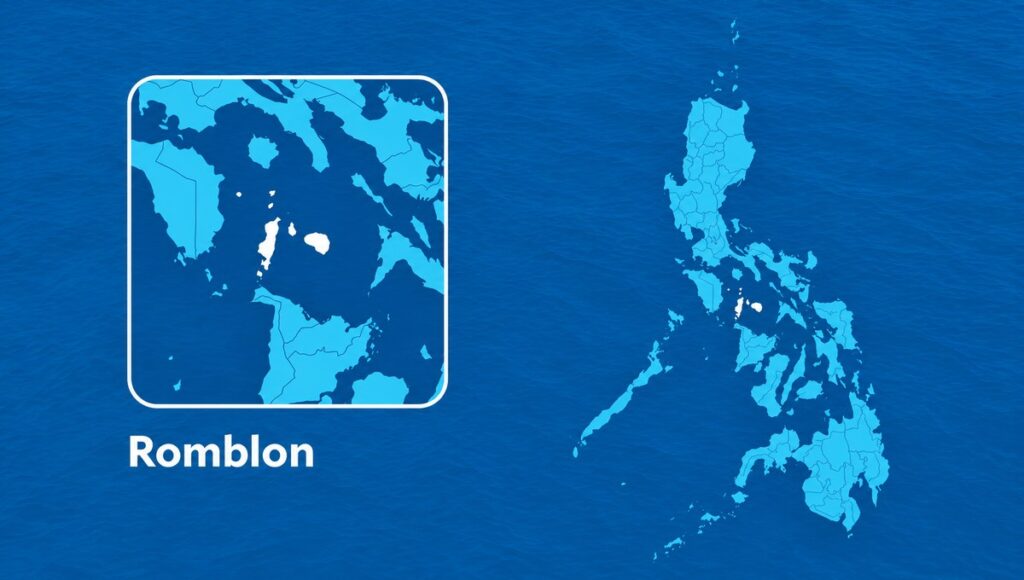
Daily Water Testing Begins After Fish Deaths in Romblon
Clear coastal water does not always tell the full story of what is happening beneath the surface. When fish begin dying unexpectedly, checking water conditions becomes an important step in understanding the problem and protecting aquatic life.
In Romblon, the Bureau of Fisheries and Aquatic Resources (BFAR) has started daily water monitoring following a fish kill. The move places attention on water quality and the condition of local fishing areas as authorities work to assess the situation.
Why Water Monitoring Matters in Romblon
Romblon, an island province in the Mimaropa region, is known for its coastal communities, marine resources, and fishing activities. The surrounding waters are important to local livelihoods and contribute to the province’s identity as a destination for travelers interested in beaches, island scenery, and coastal experiences.
A fish kill can raise concerns about the environmental conditions affecting fish and other aquatic organisms. Regular water monitoring allows fisheries authorities to collect information that may help them determine whether water quality is changing and identify conditions that require further investigation.
However, the decision to conduct daily checks does not, by itself, establish what caused the fish deaths. The actual cause needs to be supported by monitoring results, water samples, and the findings of the responsible authorities.
What BFAR’s Daily Checks Can Help Determine
Water quality assessments can examine several environmental indicators that influence the survival of fish. The results can help specialists understand whether conditions are suitable for aquatic life and whether additional action may be necessary.
Dissolved oxygen levels
Fish need dissolved oxygen in the water to survive. When oxygen levels fall too low, fish may experience stress, and severe oxygen depletion can contribute to widespread deaths.
Changes in temperature, water circulation, and the decomposition of organic material can affect oxygen availability. Testing can help determine whether oxygen levels are a possible factor, although the results must be interpreted alongside other environmental evidence.
Other water quality indicators
Depending on the assessment, specialists may also examine water temperature, acidity, and the presence of substances that could harm aquatic organisms. Nutrient levels, algal growth, and other environmental changes may also warrant investigation when fish deaths occur.
These are general factors that water quality assessments can investigate. They should not be interpreted as confirmed causes of the Romblon incident unless BFAR releases findings establishing a connection.
Changes over time
Daily monitoring provides repeated observations rather than relying on a single sample. Comparing results collected on different days can help authorities identify whether conditions are improving, deteriorating, or remaining relatively stable.
This information can support decisions about further testing, fisheries management, and any precautions that may be needed to protect aquatic resources.
What the Incident Means for Local Fishing Communities
Fish deaths can create uncertainty for people whose livelihoods depend on fishing or aquaculture. The extent of the impact depends on the location, the species affected, the number of fish lost, and the environmental conditions involved.
For affected fishing communities, understanding the cause is important because different problems may require different responses. An oxygen shortage, for example, calls for a different assessment from contamination caused by a harmful substance.
Monitoring can help build an evidence-based picture of the situation. However, the announcement of daily testing alone does not establish the number of affected fishers, the financial value of any losses, or whether fishing restrictions have been imposed.
People who depend on local fisheries should follow advisories from BFAR and their municipal or provincial authorities for information about affected waters, recommended precautions, and any official findings.
What Travelers Should Know Before Visiting Romblon
A fish kill may understandably concern visitors planning a coastal trip. However, an incident in a particular area does not automatically mean that every beach, island, or swimming location across Romblon is affected.
The practical step is to identify the specific location involved and check whether authorities have issued any warnings covering the places on your itinerary. Avoid assuming that an entire province is unsafe based on a report that may concern a limited area.
Check local advisories before swimming
Before heading to a beach or arranging a boat excursion, ask your accommodation provider or local tourism office whether there are current advisories for your intended destination. Follow any restrictions issued by the relevant authorities, particularly if the affected area is close to your planned activities.
Daily water monitoring is an assessment activity, not a declaration that all nearby waters are safe. The latest official findings are more useful for travel decisions than assumptions based on the appearance of the sea.
Be cautious around dead fish
If you encounter dead fish along a shoreline or floating in the water, avoid touching or collecting them. Do not gather fish for consumption from an affected area unless the responsible authorities have confirmed that doing so is appropriate.
Report unusual observations to local authorities and follow their instructions. Visitors should also avoid entering an area that has been closed or specifically identified in an official warning.
Keep travel plans flexible
If your itinerary includes swimming, snorkeling, fishing, or island-hopping near an affected location, confirm conditions before departure. Your boat operator or local tourism office may be able to clarify whether a planned activity needs to be adjusted.
No specific entrance fee, transport price, or travel restriction can be established from the available information about this monitoring announcement. Travelers should verify those details directly with their chosen operators and local authorities.
Frequently Asked Questions
Why is BFAR monitoring water in Romblon every day?
BFAR began daily monitoring after a fish kill was reported in Romblon. Repeated water assessments can help authorities evaluate environmental conditions and gather evidence that may assist in determining what happened.
Has the cause of the fish kill been confirmed?
The available information does not establish a confirmed cause. Water quality testing can investigate possible contributing factors, but the results and the agency’s technical assessment are needed before a cause can be stated as fact.
Is it still safe to visit Romblon’s beaches?
The monitoring announcement alone does not establish that all beaches in Romblon are affected or unsafe. Check current advisories for your specific destination and follow any instructions issued by local authorities before swimming, snorkeling, or joining a boat tour.
What to Watch for Next
The next important development is the release of further information about the water monitoring and any conclusions reached by BFAR. Findings may help clarify the environmental conditions associated with the incident and whether additional measures are needed.
For travelers, the best approach is to stay informed without making assumptions about the entire province. Confirm local conditions before setting out, respect any temporary restrictions, and use official updates to guide decisions about coastal activities.
Romblon’s beaches and marine environments remain important to the province’s communities and tourism. Careful monitoring, reliable information, and responsible visitor behavior can help ensure that decisions about these resources are guided by evidence rather than speculation.