
Sibuyan Island Mining Dispute: What Travelers Need to Know
Residents Sue Municipal Council Over Mining Endorsement at Sibuyan Island
Understanding the Sibuyan Island Mining Controversy
Sibuyan Island, located in the Romblon province of the Philippines, has become the center of an ongoing legal battle between local residents and municipal authorities. A group of residents has filed a lawsuit against the municipal council for endorsing mining operations on the island, raising significant concerns about environmental protection and community welfare.
The dispute centers on the council’s decision to support mining activities on an island known for its ecological significance. Residents argue that such endorsements threaten the natural environment and the island’s biodiversity, which has long attracted visitors interested in experiencing pristine nature.
The Legal Challenge and Community Concerns
The lawsuit filed by residents represents a growing grassroots effort to challenge what local community members view as environmentally damaging policies. The residents contend that the municipal council’s endorsement of mining operations was made without adequate consultation or consideration of environmental impact assessments.
Community leaders have raised questions about the decision-making process, emphasizing that such major decisions affecting land use should involve comprehensive environmental reviews and meaningful public participation. The case highlights the tension between economic development and environmental conservation in island communities.
Local residents have expressed concerns that mining activities could contaminate water sources, disrupt marine ecosystems, and damage the forests that define Sibuyan Island’s natural character. These worries stem from documented cases of mining-related environmental degradation in other parts of the Philippines and Southeast Asia.
Sibuyan Island’s Environmental and Tourist Significance
Sibuyan Island holds considerable ecological importance in Philippine biodiversity conservation efforts. The island is home to unique flora and fauna found nowhere else, making it a priority area for environmental protection at both regional and national levels.
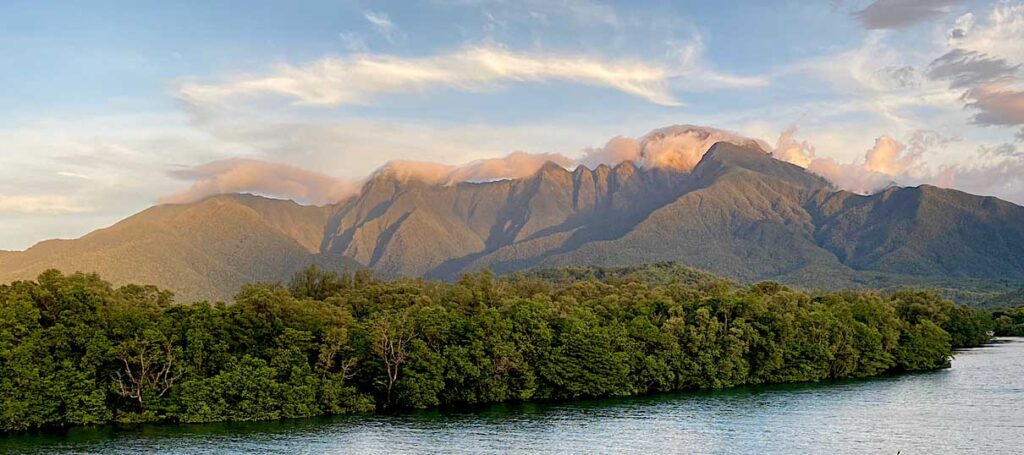
For travelers, Sibuyan Island represents an opportunity to explore relatively untouched natural landscapes. The island’s forests, coastlines, and marine areas have historically attracted eco-tourists, researchers, and nature enthusiasts seeking authentic wilderness experiences away from heavily developed tourist destinations.
The island’s biodiversity includes several species of birds and other wildlife that depend on the forest ecosystem remaining intact. Visitors to the area often express appreciation for the unspoiled character of these natural spaces, which face increasing pressure from development proposals.
How This Dispute Affects Travel and Tourism
The mining controversy raises practical questions for travelers planning trips to Sibuyan Island. Potential visitors should be aware that environmental conditions and accessibility may be affected by ongoing legal disputes and any mining-related activities that might proceed.
The uncertain regulatory environment created by this lawsuit means that the island’s tourism infrastructure and natural attractions could face disruption. Before booking travel to Sibuyan Island, visitors are advised to check current local news and official government advisories regarding any changes to the island’s status or conditions.
Tourism operators in the area have expressed concerns about how mining operations could impact their businesses and the visitor experience. The current legal battle reflects a broader question about the island’s future direction—whether it will prioritize conservation and sustainable tourism or pursue extractive industries.
Understanding Local Government Dynamics
The municipal council’s endorsement of mining represents an official government position, though it is now being challenged in court. This situation illustrates how local governance decisions can become contested when different stakeholder groups hold opposing views about land use and development.
Residents pursuing legal action must navigate the Philippine court system while building their case against the municipal council. The outcome of this lawsuit could set precedent for how similar disputes are resolved in island communities facing pressure to approve resource extraction projects.
The dispute also reflects broader debates about economic development priorities in provincial Philippines. Municipal officials may view mining as a potential source of revenue and employment, while residents and environmentalists prioritize long-term ecological preservation.
The Broader Context of Mining in the Philippines
The Philippines has a complex history with mining operations, with communities throughout the archipelago experiencing both economic benefits and environmental consequences from extractive industries. Sibuyan Island’s situation is not isolated but part of a nationwide conversation about sustainable development.
Mining operations in the Philippines have previously resulted in documented environmental damage, including deforestation, water pollution, and habitat destruction. These historical examples inform the concerns raised by Sibuyan Island residents opposing the municipal council’s mining endorsement.
Environmental groups and conservation organizations have taken interest in the Sibuyan Island case as a test of whether communities can effectively challenge mining proposals through legal mechanisms. The outcome may influence how similar disputes are handled elsewhere in the country.
What This Means for Future Visitors
Travelers planning to visit Sibuyan Island should monitor developments in this legal case before finalizing travel plans. The current uncertainty means that conditions on the island could change, affecting everything from transportation access to environmental quality.
Prospective visitors interested in experiencing the island’s natural features should contact local tourism offices or tour operators for the most current information about conditions, accessibility, and any limitations that might affect their visit. Multiple sources should be consulted to get reliable, up-to-date information.
Those committed to supporting sustainable tourism can contribute by choosing tour operators and accommodations that prioritize environmental conservation. Visitor spending directed toward eco-friendly businesses helps create economic incentives for preserving the island’s natural character.
FAQs About Sibuyan Island and Current Conditions
Q: Is Sibuyan Island currently open to tourists?
The island remains accessible to visitors, though travelers should verify current conditions with local tourism authorities and check travel advisories. The ongoing legal dispute has not resulted in any official closure to tourism as of now.
Q: What should I know before planning a trip to Sibuyan Island?
Before visiting, research the current status of the mining dispute and any potential impacts on the island’s environment or tourism infrastructure. Contact local tour operators or the municipal tourism office in Romblon for recent updates and to arrange safe, responsible visits that support sustainable practices.
Q: How does this mining dispute affect the island’s tourism businesses?
Local tourism operators face uncertainty about the island’s future, which may affect their long-term investment in tourism infrastructure. Some businesses are actively supporting the legal challenge to mining, viewing conservation as essential to their economic survival in the tourism sector.
Moving Forward
The lawsuit filed by Sibuyan Island residents against the municipal council represents an important moment for the island’s future. Whether mining operations proceed will depend on how Philippine courts evaluate the legal arguments presented by both sides and the strength of environmental concerns raised by local communities.
For travelers, this situation underscores the importance of checking current conditions and understanding local context before visiting destinations affected by development controversies. Supporting responsible tourism practices and choosing eco-conscious travel options can contribute positively to conservation efforts in places like Sibuyan Island.