
Sibuyan Island mining site faces environmental remediation orders
DENR inspection at Altai Philippines Mining Corp. site reveals disturbed areas requiring cleanup. Learn what this means for Sibuyan Island’s future and environment.
Sibuyan Island mining remediation
Environmental Inspection Triggers Cleanup Mandate at Sibuyan Island Mining Operations
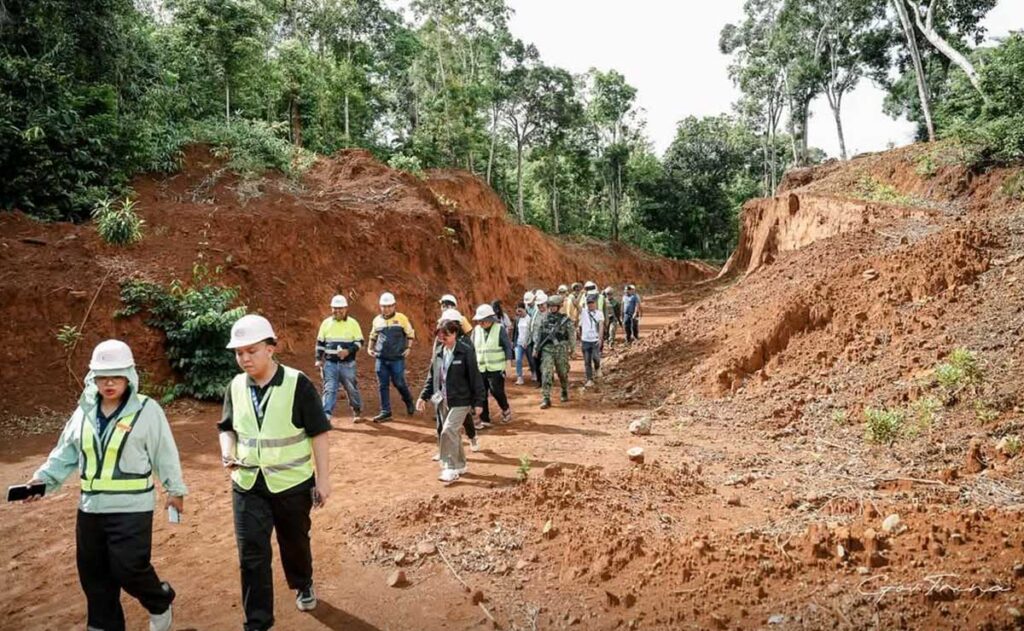
Sibuyan Island in Romblon province has become the focus of significant environmental scrutiny following a September 22 inspection by the Department of Environment and Natural Resources (DENR). The agency’s composite team visited the mining site operated by Altai Philippines Mining Corp. (APMC) in San Fernando to assess conditions and consult with local stakeholders about disturbed areas requiring immediate remediation.
The inspection represents a crucial moment for this island community, where mining operations have long been contested by environmental advocates and supported by others who see economic potential in the sector. The DENR’s findings will shape discussions about the future of mining exploration on Sibuyan Island.
What the Inspection Revealed About Site Conditions
The DENR team identified several categories of disturbed areas at the mining location. These include excavated portions of land, siltation ponds designed to manage water runoff, ore stockpiles awaiting processing, and other zones that pose risks for erosion, sediment movement, and runoff into surrounding areas.
According to community monitoring groups, these conditions require technical documentation and validation before the DENR issues final findings. The inspection process involved reviewing the company’s compliance history and gathering input from both mining supporters and opponents to build a comprehensive understanding of site conditions and community concerns.
Governor Trina Firmalo-Fabic emphasized the importance of understanding different perspectives when evaluating the site’s environmental status. The consultation brought together provincial and municipal officials, barangay leaders, civil society organizations, and other stakeholders to discuss the inspection results and their implications.
The Remediation Process and What Comes Next
The DENR’s call for remediation marks a significant development, though environmental advocates stress an important distinction: cleanup efforts should not be confused with permission to resume mining operations. Anti-mining group Barikada ng Mamamayan ng Sibuyan has called for a comprehensive remediation plan from APMC that addresses existing environmental damage without enabling expanded operations.
The company must submit detailed remediation proposals for DENR review and approval. Crucially, local government units and affected communities should participate in monitoring how effectively these remediation efforts address the identified problems. This oversight mechanism aims to ensure accountability throughout the cleanup process.
The inspection’s findings will be submitted to DENR Secretary Juan Miguel Cuna for further action and decision-making regarding the broader regulatory situation at the site.
The Mineral Production Sharing Agreement at the Center of the Dispute
The September inspection was directly connected to an ongoing petition seeking cancellation of APMC’s Mineral Production Sharing Agreement (MPSA) No. 304-2009-IVB. This agreement has been a source of contention within Sibuyan’s communities, with some residents supporting mining development and others opposing it based on environmental concerns.
The validation activities conducted by the DENR represent part of the agency’s investigation into whether the current agreement should remain in force or be canceled. The petition process reflects how community members have mobilized to challenge mining operations they view as threatening the island’s ecological integrity.
Company Response and New Management Direction
APMC welcomed the inspection and consultation process on September 25, characterizing the activities as valuable opportunities for dialogue. The company’s statement indicated that new management has adopted a different strategic direction focused on completing permits, improving environmental and operational standards, and strengthening relationships with government agencies and communities.
The company framed the consultation as enabling stakeholders to discuss Sibuyan’s geology and the current status of exploration activities. For APMC, these engagements represent a shift toward what management describes as more open, transparent, and respectful communication with local communities and officials.
Community Concerns About Mining’s Environmental Impact
Environmental monitoring groups have raised serious concerns about the site’s current conditions and what they suggest about mining’s broader impacts. The presence of excavated areas, siltation ponds, and ore stockpiles reflects the physical footprint that mining exploration leaves on the landscape, even during pre-production phases.
These disturbed areas can contribute to soil instability, water contamination through sediment and runoff, and habitat disruption. For an island community dependent on natural resources and ecotourism potential, such environmental changes carry long-term implications that extend beyond immediate mining operations.
Sibuyan Island’s Broader Environmental Context
Sibuyan Island is recognized for its ecological significance in the Philippines. The island’s forests, marine environments, and biodiversity represent resources that support local livelihoods through fishing, agriculture, and increasingly, tourism activities. Mining operations introduce competing land use interests that can fundamentally alter these ecosystems.
The inspection and remediation process unfold against this backdrop of balancing economic development with environmental preservation. For visitors to the region, understanding these dynamics provides context for the island’s current situation and future trajectory.
What the Remediation Order Means Practically
The DENR’s remediation directive creates specific obligations for APMC regarding site restoration and environmental management. The company must develop and implement plans addressing soil stabilization, erosion control, sediment management, and water quality protection in disturbed areas.
Timeline and funding for these efforts remain critical details that will emerge as the company submits formal remediation proposals. The quality and comprehensiveness of these proposals will influence both the remediation process’s effectiveness and broader decisions about the mining operation’s future.
Government and Community Oversight Moving Forward
The inspection has established a framework for ongoing monitoring and evaluation. Local governments and community organizations will play roles in tracking whether remediation efforts achieve their stated environmental goals. This participatory approach reflects growing recognition that mining decisions affect entire communities whose input shapes outcomes.
The DENR’s continued involvement in validating findings and reviewing proposals ensures that remediation work meets established environmental standards and legal requirements. This multi-level oversight system aims to prevent remediation from becoming merely a formality while mining operations continue unchanged.
FAQ: Understanding Sibuyan Island’s Mining Situation
What exactly is a Mineral Production Sharing Agreement?
An MPSA is a government contract allowing a company to explore and extract mineral resources from a designated area in exchange for fees and royalties paid to the state.
Can visitors travel to Sibuyan Island despite the mining situation?
Yes, Sibuyan Island remains accessible to tourists. The inspection and remediation process are separate from visitor access. However, checking current local conditions before planning a visit is always advisable.
How long typically takes remediation at mining sites?
Timelines vary significantly based on the extent of damage, specific remediation methods needed, and available resources. The DENR will establish realistic timeframes once APMC submits detailed remediation plans.
Moving Forward on Sibuyan Island
The September inspection and subsequent remediation order represent pivotal moments for Sibuyan Island’s environmental and economic future. The coming months will reveal how thoroughly APMC addresses identified environmental concerns and whether the company’s stated commitment to improved practices translates into concrete action.
For anyone interested in this region or concerned about mining’s environmental impacts, monitoring the remediation process and final DENR decisions will provide important updates on how the government balances competing interests in the Philippines’ resource management decisions.