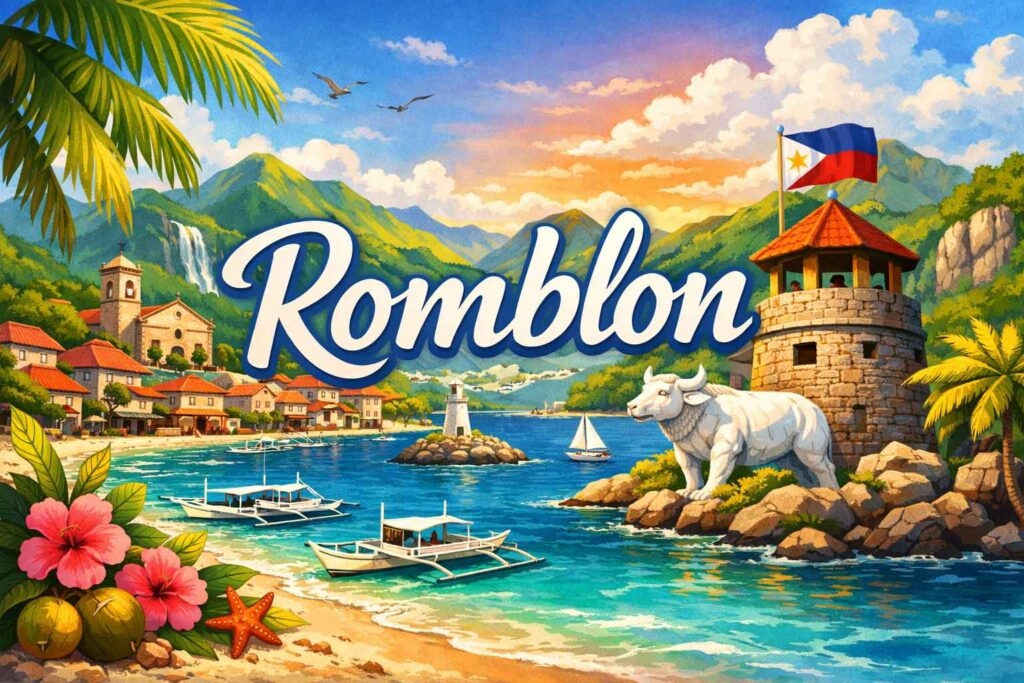
Romblon Island, situated within the coronary heart of the Philippines, is well known for its breathtaking pure magnificence, wealthy cultural heritage, and vibrant native communities. Amongst its many points of interest, the island’s conventional fishing villages stand out as a testomony to the enduring maritime tradition that has formed the lives of its inhabitants for generations. This text takes you on a journey by means of Romblon’s conventional fishing villages, exploring their historical past, tradition, and the day by day lives of the fishermen who name this island residence.
The Historic Significance of Fishing in Romblon
Fishing has been a cornerstone of life in Romblon for hundreds of years. The island’s strategic location within the Sibuyan Sea supplies an considerable marine atmosphere, making fishing an important supply of sustenance and livelihood for its residents. The island’s fishing heritage is deeply rooted in its historical past, with conventional fishing methods and customs handed down by means of generations.
Traditionally, Romblon’s fishing villages have relied on artisanal fishing strategies, together with small boats, hand strains, nets, and traps. These strategies mirror the island’s fishermen’s resourcefulness and deep understanding of and reverence for the marine atmosphere. Over time, these communities have developed a singular cultural identification formed by their connection to the ocean and reliance on its sources.
Every day Life in Romblon’s Fishing Villages
Life in Romblon’s conventional fishing villages is carefully intertwined with the rhythms of the ocean. Early every morning, fishermen set out of their boats, typically earlier than daybreak, to reap the benefits of one of the best fishing situations. The sight of colourful bangles (conventional Filipino outrigger boats) dotting the horizon is a typical and picturesque scene in these coastal communities.
Fishing is often a household affair, with varied members of the family contributing to totally different facets of the fishing course of. Whereas the boys enterprise out to sea, ladies and youngsters typically put together fishing gear, course of the catch, and promote fish in native markets. This collaborative effort strengthens household bonds and ensures the sustainability of their fishing practices.
Along with their day by day fishing actions, villagers interact in different coastal livelihoods, reminiscent of seaweed farming, shellfish gathering, and small-scale aquaculture. These complementary actions assist diversify their revenue sources and bolster their resilience in opposition to environmental and financial challenges.
Conventional Fishing Strategies
Romblon’s conventional fishing methods mix indigenous information and sensible innovation. A number of the mostly used strategies embrace:
Handline Fishing
Handline fishing is a straightforward but efficient method involving a single fishing line with a baited hook. This methodology is especially fitted to catching bigger fish species and is favored for its minimal affect on the marine atmosphere.
Internet Fishing
Internet fishing is a flexible methodology employed by many fishing communities in Romblon. Fishermen use a wide range of nets, together with gillnets, forged nets, and seine nets, to seize various kinds of fish. Every internet kind is designed for particular fishing situations and goal species, demonstrating the fishermen’s adaptability and experience.
Fish Traps
Fish traps, recognized domestically as “bubo,” are historically produced from bamboo and different pure supplies. These traps are strategically positioned in shallow waters to seize fish and different marine creatures. The usage of fish traps is a testomony to the ingenuity of Romblon’s fishermen, who’ve perfected this method over generations.
Cultural Traditions and Neighborhood Life
Romblon’s fishing villages are facilities of financial exercise and vibrant cultural hubs. Their neighborhood life is wealthy in traditions, festivals, and rituals celebrating their maritime heritage. One such custom is the annual fiesta, a energetic occasion that honors the patron saint of fishermen and contains boat races, feasts, and cultural performances.
The robust sense of neighborhood can be evident within the village life’s cooperative spirit. Fishermen typically type cooperatives or associations to collectively handle sources, share information, and advocate for his or her pursuits. These organizations play an important function in championing sustainable fishing practices and securing the long-term viability of the business fishing business in Romblon.
Challenges and Alternatives
Whereas Romblon’s conventional fishing villages are wealthy in tradition and historical past, additionally they face quite a few challenges. Overfishing, environmental degradation, and local weather change considerably threaten the marine ecosystem and the livelihoods of native fishing communities. Moreover, financial pressures and competitors from industrial fishing operations can pressure the sources obtainable to small-scale fishermen.
Regardless of these challenges, there are alternatives for sustainable improvement and neighborhood empowerment. Endeavors to advance sustainable fishing practices, reminiscent of establishing marine protected areas and adopting eco-friendly fishing gear, are gaining traction. Moreover, initiatives to diversify revenue sources, reminiscent of ecotourism and value-added seafood merchandise, will help improve the resilience of fishing communities.
Conclusion
Romblon Island’s conventional fishing villages supply an enchanting glimpse into the enduring maritime tradition that has formed the lives of its inhabitants over numerous generations. Via their wealthy traditions, sustainable fishing practices, and a powerful sense of neighborhood, these villages exemplify the resilience and resourcefulness of Romblon’s fishing communities as they navigate by means of the challenges and alternatives offered by fashionable world. These villages stay an integral part of the island’s cultural heritage, serving as a testomony to its enduring connection between the individuals of Romblon and the ocean.
Exploring Romblon’s conventional fishing villages is a journey by means of time and an invite to understand the intricate steadiness between tradition, livelihood, and the atmosphere. By supporting sustainable practices and fostering neighborhood resilience, we will help guarantee these vibrant coastal communities proceed to thrive for generations.