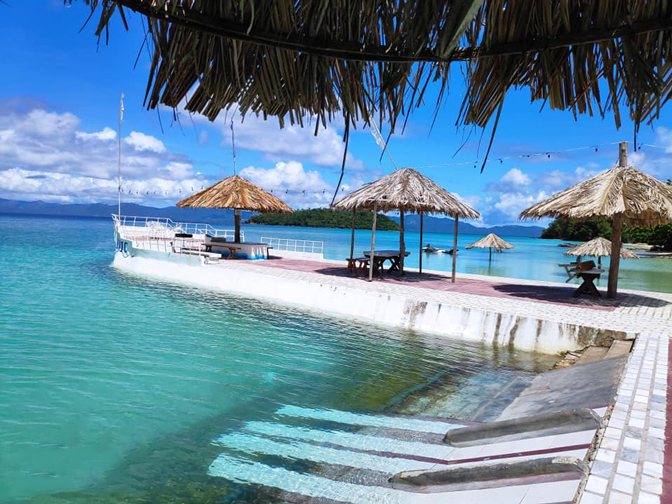
The Philippines Drops from Top Spot in World’s Best Beach Rankings
For years, the Philippines has worn the crown as the world’s premier beach destination, a title proudly held and fiercely defended by its stunning archipelago of over 7,000 islands. However, the latest rankings from the prestigious World Beach Guide have delivered a surprising shift in the sands. The Philippines has been dethroned, sliding from its coveted #1 position to #4 in the global list of the best beach destinations for 2024.
This news, based on an analysis of over 250 million reviews across various travel platforms, has sparked conversation among travel enthusiasts and industry experts alike. While the country’s natural beauty remains undeniable, the shift highlights the dynamic and competitive nature of global tourism. So, who claimed the top spot, and what does this mean for the future of Philippine beaches?
A New Champion Rises: Greece Takes the Crown
Stepping into the spotlight is Greece, which has ascended to claim the title of the world’s leading beach destination. The Hellenic Republic, with its iconic white-washed architecture against deep blue seas, has long been a heavyweight contender. The World Beach Guide’s algorithm, which factors in the quantity and quality of reviews mentioning “beach,” now places its stunning coastlines—from the famous shipwrecks of Zakynthos to the volcanic hues of Santorini—at the pinnacle.
Following Greece, the podium is filled by other European gems:
This Mediterranean dominance underscores a key trend: the powerful return of European travel post-pandemic, coupled with these destinations’ well-established tourism infrastructure and global marketing reach.
Why Did the Philippines Slip in the Rankings?
It’s crucial to understand that falling to fourth place is not an indictment of the Philippines’ beauty. Destinations like Palawan (often hailed as the best island in the world), Boracay with its powdery white sand, and the remote bliss of Siargao continue to be breathtaking. The shift likely reflects a combination of factors beyond just sand and sea quality.
Intense Global Competition and Recovery Trends
The travel world has rebounded fiercely. European destinations, with their extensive connectivity, multi-country trip potential, and strong brand recognition, have seen a massive surge in visitors. Travelers who deferred trips during the pandemic have flocked back to classic European summer holidays, generating a high volume of reviews and ratings that influence such algorithmic rankings.
Infrastructure and Accessibility Challenges
While its secluded beauty is a draw, the Philippines’ geography can also be a hurdle. Reaching its most pristine beaches often requires multiple flights, boat transfers, and longer travel times compared to the more connected coastlines of Europe. For some travelers, especially those with limited vacation time, this can be a deciding factor.
The Balancing Act: Overtourism and Sustainability
The Philippines has grappled with the dual challenges of promoting tourism and preserving its ecology. Boracay’s highly publicized six-month closure in 2018 for rehabilitation was a necessary but disruptive move. While it showcased a commitment to sustainable tourism, such events can momentarily impact perception and visitor flow as destinations work to find a sustainable balance.
An Opportunity for Reflection and Reinvention
Rather than a decline, this ranking change can be viewed as a moment for strategic reflection. Fourth in the world is still an extraordinary accolade, and it presents a chance to refine the Philippine beach tourism offering.
The Bottom Line: Still a Beach Paradise
The headline might announce a drop, but the reality on the ground remains unchanged. The Philippines still offers some of the most spectacular and diverse coastal scenery on the planet. From the dramatic limestone cliffs and hidden lagoons of El Nido to the serene, long stretches of sand in Bohol, the essence of paradise is very much intact.
Tourism rankings are a snapshot in time, influenced by algorithms, trends, and global travel patterns. They do not erase the magic of watching a sunset over the Sugba Lagoon or swimming alongside whale sharks in Donsol. For the savvy traveler, this news might even be a blessing—a reminder that the Philippines’ beaches are still there, as beautiful as ever, waiting to be explored with the same sense of wonder, just with a slightly different footnote in a yearly report.
The crown may sit elsewhere for now, but in the hearts of millions who have experienced its shores, the Philippines will always be a reigning champion of beach dreams.