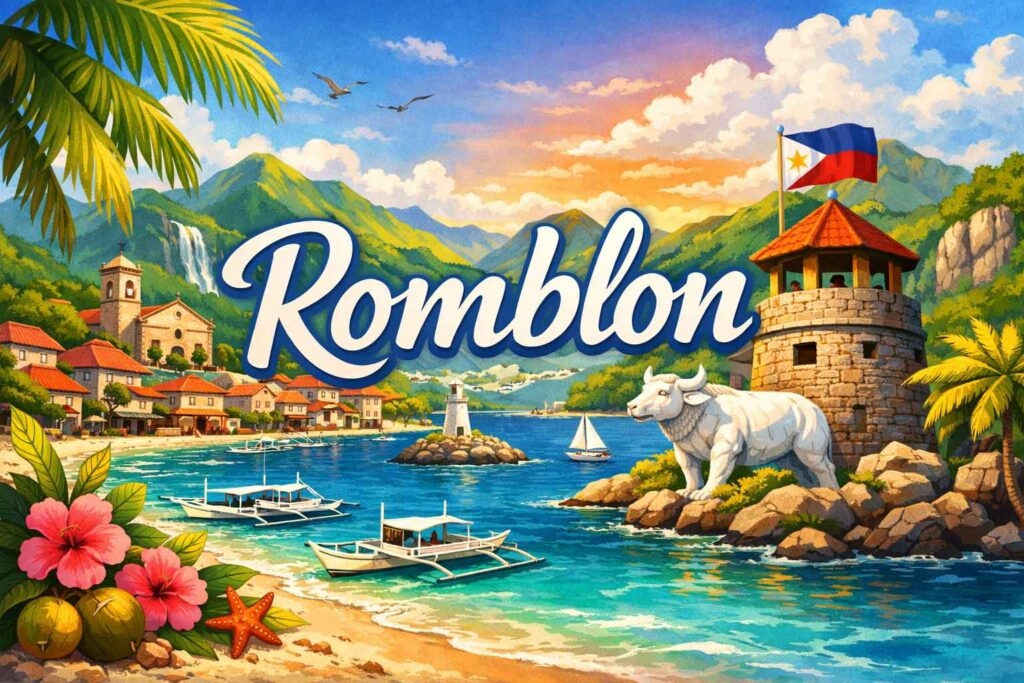
In the heart of Romblon, a remote island province in the Philippines, a peculiar tradition persists: some families are known to eat rocks. While it might sound bizarre, this practice has deep cultural and historical roots that have fascinated anthropologists and tourists alike.
The Origins of Rock-Eating in Romblon
The tradition of consuming rocks, locally called “pagkakain ng bato”, traces back centuries. Historically, some families turned to this practice during times of food scarcity or to supplement mineral intake. Certain rocks from Romblon’s mountainous regions are rich in minerals, which locals believed could strengthen the body or heal ailments naturally.
Interestingly, this practice is not considered harmful by practitioners because only specific types of limestone and volcanic rocks are chosen. Families pass down knowledge about which rocks are safe, how to prepare them, and the proper consumption rituals.
How Romblon Families Prepare Rocks for Eating
The process is meticulous. Rocks must be crushed into fine powder or ground into sand-like consistency. In some households, this powdered rock is mixed with rice, coconut, or local herbs to improve taste and aid digestion.
Key steps include:
Selecting safe rocks – only smooth, non-toxic varieties.
Crushing and drying – ensures the rocks are ingestible.
Mixing with food – helps mask texture and makes them easier to consume.
Some families also roast the powdered rocks, believing that heat enhances their nutritional benefits. Despite the unusual nature, locals treat this as an essential cultural practice, especially for elders who swear by its health benefits.
Cultural Beliefs Behind Rock Consumption
Beyond nutrition, spiritual and cultural beliefs play a role. Some Romblon families think eating rocks connects them to ancestors or brings protection and luck. Certain rituals accompany rock consumption, such as prayers or offerings, ensuring the practice aligns with tradition and respect for nature.
This practice highlights Romblon’s unique cultural identity. Visitors and anthropologists often marvel at the combination of survival, belief, and heritage that has kept this practice alive.
Modern Perspective and Tourist Curiosity
Today, rock-eating is largely symbolic, with fewer families relying on it for nutrition. However, tourists are intrigued by this unusual Romblon tradition. Some local guides even include explanations of this custom during island tours.
For those planning a visit, exploring Romblon’s culture and natural beauty goes beyond rock-eating. For example, Bonbon Beach island-hopping details here offers insight into the province’s stunning landscapes and coastal treasures, providing a balanced view of Romblon’s lifestyle and heritage.
Conclusion
While it may seem strange to outsiders, the practice of eating rocks in Romblon is a blend of necessity, culture, and belief. It serves as a fascinating reminder of how human traditions adapt to environmental and social circumstances. Understanding such practices enriches the visitor experience and highlights the diversity of Philippine cultural heritage.