
Why Romblon Is Preparing for a Possible Super El Niño
Imagine finishing a rice harvest only to face months of dry weather that leave fields struggling for water. For farmers in Romblon, preparing for this possibility means making decisions about what to plant next, how to conserve water, and how to protect their livelihoods before conditions become more difficult.
The Provincial Government of Romblon is developing measures to reduce the potential effects of a possible Super El Niño, with particular attention to the agricultural sector. The preparations include farmer education, alternative crops that require less water, and efforts to improve water availability during prolonged dry periods.
According to a report published by the Philippine Information Agency (PIA) on October 8, 2026, Provincial Agriculturist Relly Diokno said the Office of the Provincial Agriculturist (OPAg) plans to conduct technical meetings in every municipality. These meetings are intended to explain the possible effects of El Niño and help farmers prepare for changing weather conditions.
The measures are precautionary. Although El Niño can bring hotter conditions and reduced rainfall to parts of the Philippines, its effects vary by location, and the actual conditions experienced in each community may differ.
How El Niño Could Affect Agriculture in Romblon
El Niño is a climate phenomenon associated with changes in ocean temperatures across the tropical Pacific. These changes influence atmospheric circulation and can alter rainfall patterns in different parts of the world, including the Philippines.
For agricultural communities, below-normal rainfall can make it harder to maintain soil moisture, support crop growth, and secure sufficient water for irrigation. Extended dry periods can also complicate planting schedules and increase the pressure on farms that depend on seasonal rainfall.
The Philippine Atmospheric, Geophysical and Astronomical Services Administration (PAGASA) has warned that El Niño could bring higher temperatures and below-normal rainfall across large portions of the country. Its effects were projected to be most pronounced from October to December 2026, although local conditions may vary.
For farmers in Romblon, these forecasts make preparation important even before the full effects of the weather pattern become apparent. Monitoring local rainfall, reviewing water availability, and considering alternative crops can help agricultural communities respond to changing conditions.
However, a possible El Niño does not mean that every municipality will experience identical drought conditions. Local rainfall, access to irrigation, soil characteristics, and the type of crops being cultivated all influence how individual farms may be affected.
Mung Beans and Corn Among the Planned Alternative Crops
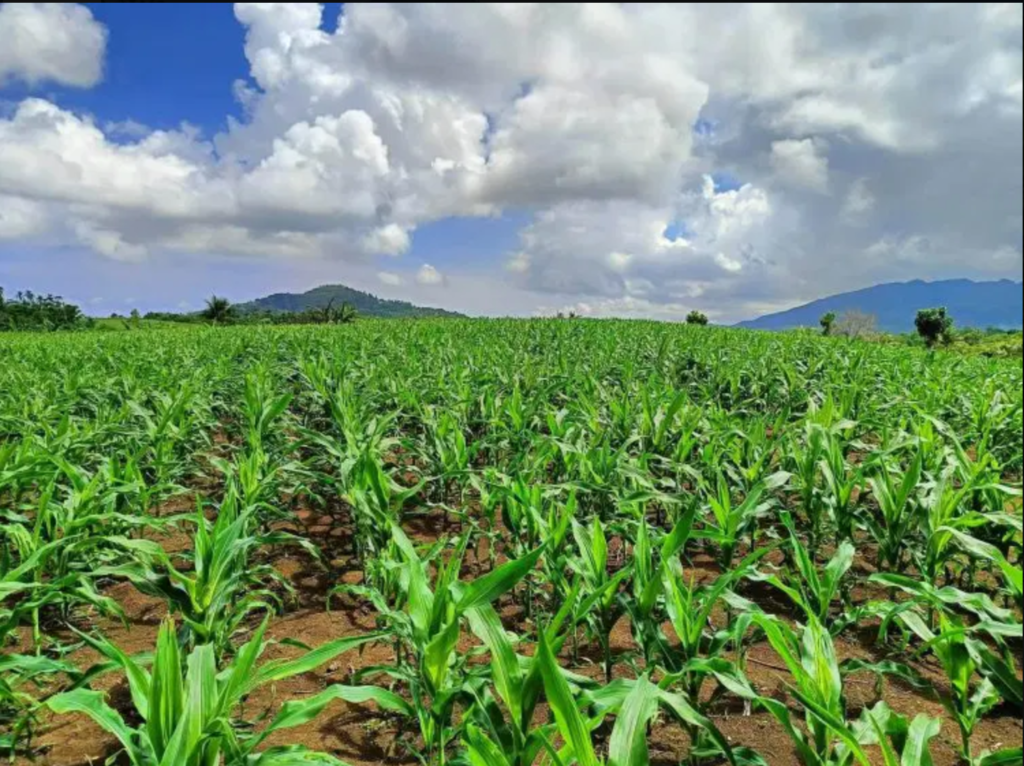
One of the province’s planned interventions involves distributing mung bean and corn seeds supplied by the Department of Agriculture (DA). Farmers would be able to plant these crops after harvesting rice, giving them alternatives during periods when water may be limited.
Diokno explained that mung beans and corn require less water than some other crop options. Introducing them after the rice harvest could therefore help farmers continue producing food when conditions are less suitable for water-intensive cultivation.
This approach is particularly relevant when farmers are deciding what to grow between planting seasons. Rather than automatically preparing a field for another rice crop, they may consider whether a less water-demanding alternative is better suited to the expected conditions.
Crop selection still requires careful planning. Farmers need to consider seed availability, planting schedules, soil suitability, expected rainfall, and potential market demand before deciding which alternative is appropriate for their farms.
The planned seed distribution is part of a broader preparedness effort, rather than a guarantee that every farmer will receive a particular quantity of seeds or achieve a specific harvest. The actual implementation and availability of support should be confirmed through the relevant agricultural offices.
Water Storage and Farmer Education Are Also Priorities
Seeds alone cannot protect a farm from prolonged dry weather. Water management is another important part of Romblon’s preparations, with farmers being advised to prepare water storage facilities so supplies may be available when rainfall becomes insufficient.
Having a suitable storage arrangement can help farmers manage available water more carefully. The practical approach will depend on the farm’s size, existing water sources, storage capacity, and the amount of water required by its crops.
The planned technical meetings in each municipality are intended to help farmers understand the risks and identify appropriate preparation measures. Information activities can also help agricultural communities make decisions based on official forecasts rather than waiting until water shortages become severe.
Farmers can make use of these opportunities by asking their municipal agriculture offices about available seeds, crop recommendations, water conservation practices, and the latest local weather advisories. They should also ask about eligibility requirements and the schedule for any government assistance.
For households that depend on farming income, preparing early may help reduce uncertainty. Keeping track of planting dates, available water, crop expenses, and expected harvest periods can provide a clearer picture of how changing weather conditions may affect a farm’s operations.
How the Provincial Government Plans to Support Farmers
Romblon’s response involves several government offices. The OPAg is expected to lead agricultural information activities and technical discussions, while the DA is providing the planned mung bean and corn seeds for alternative planting.
The Provincial Disaster Risk Reduction and Management Office (PDRRMO) is also expected to allocate funds for measures intended to address the potential effects of Super El Niño on farmers in the province.
These efforts bring together agricultural planning and disaster preparedness. Crop selection and farm management are important, but financial resources and coordinated information can also help communities prepare for environmental conditions that may threaten agricultural production.
The effectiveness of the measures will depend on implementation, access to support, and the conditions that actually develop. Continued coordination among provincial and municipal offices can help farmers receive relevant information as forecasts and local needs change.
Residents should follow official announcements from the provincial government, their municipal offices, PAGASA, and the Department of Agriculture for updates on the outlook and available assistance. Forecasts can change, so preparedness plans should be reviewed as new information becomes available.
What This Means for Visitors Planning a Trip to Romblon
Romblon is known for its islands, coastal scenery, marble craftsmanship, and communities whose livelihoods include agriculture and fishing. The possible effects of El Niño are primarily an agricultural and environmental concern, but weather and water conditions are also worth considering when planning a visit.
Travelers should not assume that the entire province will experience water shortages or that tourism activities will automatically be disrupted. Conditions can differ between islands and municipalities, making current local information more useful than broad assumptions about the weather.
Before traveling, check the forecast, confirm accommodation arrangements, and ask your hotel or local tourism contact whether any weather-related restrictions or water conservation measures could affect your stay. If your itinerary includes outdoor activities, remain flexible in case unusually hot conditions change your plans.
Visitors can also be mindful of water use during their stay. Avoid unnecessary waste, follow local conservation guidance, and respect any restrictions announced by accommodation providers or local authorities.
Frequently Asked Questions About El Niño in Romblon
When could El Niño have its strongest effects?
PAGASA’s outlook cited in the October 2026 report indicated that the effects could be most pronounced from October to December 2026. Conditions may vary from one location to another, so residents should continue checking official forecasts.
What crops are being considered as alternatives to rice?
The provincial government’s planned intervention includes mung bean and corn seeds from the Department of Agriculture. These crops are being considered because they require less water, making them possible alternatives after rice harvesting during dry conditions.
Where can farmers ask about available assistance?
Farmers can contact their municipal agriculture offices or the Office of the Provincial Agriculturist for information about technical meetings, alternative crops, seed distribution, and water preparedness. They should verify the latest schedules and eligibility requirements directly with the relevant offices.
What Farmers and Communities Should Do Next
Romblon’s preparations show how agricultural communities can respond to climate risks through advance planning instead of waiting for severe water shortages to develop. Alternative crops, water storage, technical guidance, and coordinated government support are among the measures being pursued.
For farmers, the next practical step is to review available water supplies, assess which crops suit their fields, and seek updated guidance from agricultural officers before making planting decisions. For residents and visitors, following official weather advisories and using water responsibly can help communities prepare for uncertain conditions.
As the outlook develops, the most useful information will be the latest local forecasts and confirmed details about assistance. Checking these updates regularly will help Romblon’s farming communities make better-informed decisions throughout the coming months.