
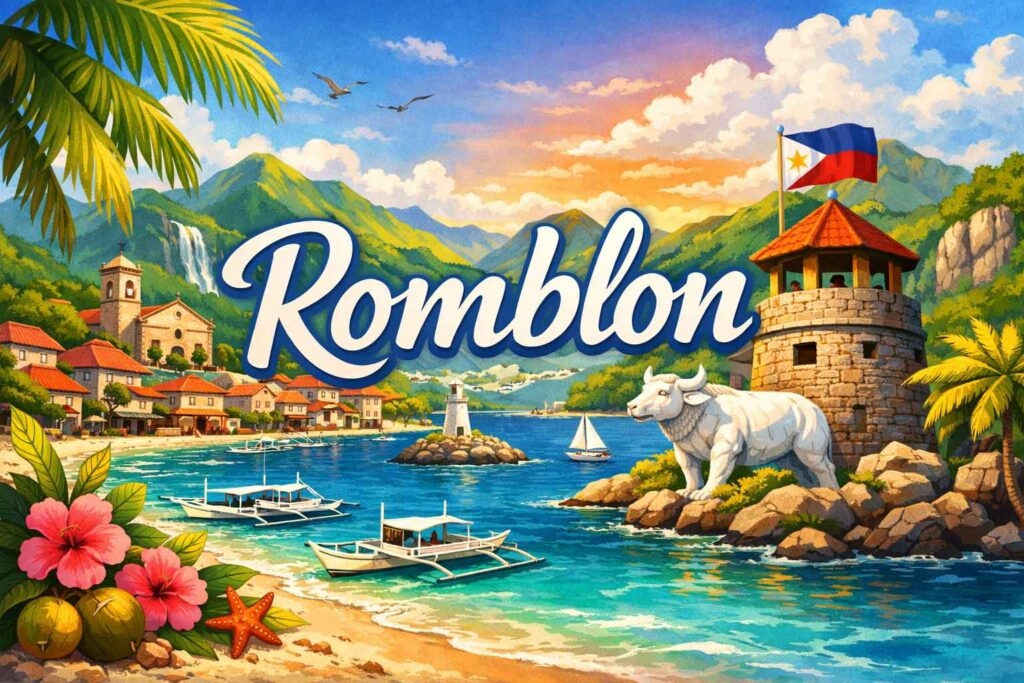
Life on a remote island has always carried a quiet promise: slower days, closer communities, and a deep connection to nature. Yet in places like Romblon Island, that simplicity has historically come with trade-offs—limited infrastructure, unreliable electricity, and restricted access to essential services like healthcare and education. Today, however, that narrative is gradually changing. With the introduction of more reliable and sustainable energy solutions, island life is evolving in ways that preserve its charm while improving quality of life.
Reliable energy is more than just a convenience—it is a foundation for development. In island communities, where diesel generators have long been the primary source of electricity, power interruptions are common and fuel costs are high. The shift toward renewable energy, particularly solar power, is proving transformative. By replacing diesel with solar systems capable of delivering 24-hour electricity, communities can significantly reduce their carbon footprint while also cutting costs. In fact, such transitions can reduce carbon dioxide emissions by tens of tons annually while saving thousands of liters of fuel. These changes ripple outward, improving not only household living conditions but also public services.
Healthcare facilities, for example, depend on stable electricity for refrigeration of medicines, operation of equipment, and nighttime care. Schools benefit from lighting, digital tools, and better learning environments. Homemakers, too, experience a shift in daily life, gaining access to appliances that make chores less labor-intensive and time-consuming. What was once a life shaped by limitations begins to open into one filled with new possibilities.
Beyond infrastructure, the islands of Romblon offer something equally powerful: natural beauty that remains largely untouched. Travelers who make the journey are rewarded with experiences that feel increasingly rare in a crowded world. Getting there requires effort—typically a flight to Tablas Island, followed by a combination of jeepney, tricycle, or van rides to coastal towns like San Agustin, and finally a ferry ride across clear blue waters. But that effort is part of the appeal. Each step removes you further from the noise of urban life and closer to something more authentic.
One such destination is Carabao Island, often described as a peaceful counterpoint to the bustling energy of Boracay. Here, there are no massive crowds or blaring nightlife. Instead, visitors find quiet beaches, swaying palm trees, and the gentle rhythm of waves. The island’s dive sites are particularly noteworthy, offering a diverse underwater landscape of coral gardens, slopes, and walls. Many of these reefs remain in pristine condition, providing a haven for marine life and a breathtaking experience for divers and snorkelers alike.
For those new to diving, opportunities abound to learn. Local instructors and small dive groups often provide personalized guidance, making it possible to earn certification in just a few days. The experience goes beyond technical training—it becomes a shared adventure, often involving families and small groups discovering the underwater world together for the first time. And unlike more commercialized destinations, the waters here are often uncrowded, giving divers a sense of exclusivity and tranquility.
Island hopping is another highlight of the Romblon experience, though it operates differently than in more tourist-heavy areas. There are no large tour companies orchestrating packed itineraries. Instead, visitors typically arrange boats directly through their accommodations or local fishermen. This informal approach adds a layer of authenticity, allowing travelers to connect more directly with the community. A typical day might begin with a boat departure in the morning, heading toward nearby islands with white sand beaches and crystal-clear waters.
Destinations like Alad Island and Cobrador Island showcase the region’s natural diversity. On Cobrador, Naguso Beach offers a secluded stretch of sand framed by coconut trees—an ideal spot for picnics and quiet reflection. Meanwhile, Alad Island provides a glimpse into small fishing communities where life moves at an unhurried pace. Visitors often find themselves welcomed warmly, sometimes even invited to witness traditional fishing methods, such as casting large nets that bring in a shared catch for the village.
Marine sanctuaries are another defining feature of Romblon. These protected areas play a crucial role in preserving biodiversity while also supporting local livelihoods. In places like Looc Bay Marine Sanctuary, conservation efforts are clearly visible. Sections of the water are marked by buoys, ensuring that fishing is restricted and marine ecosystems can thrive. Unlike many sanctuaries that include both land and sea, some here are entirely aquatic, emphasizing the importance of underwater preservation.
The ecological richness of the region extends beyond its waters. Islands such as Banton Island hold significant archaeological value, with sites that contribute to the understanding of Southeast Asian history. These discoveries highlight the deep cultural roots of the area, adding another layer of interest for visitors who seek more than just scenic beauty.
Accommodation on Romblon Island reflects its laid-back atmosphere. Budget-friendly options like Reggae Vibes provide a comfortable base for exploration. Located a short drive from the main town, such places often offer more than just lodging. Guests can rent snorkeling gear, enjoy home-cooked meals, and receive personalized recommendations for activities. Even those not staying overnight are typically welcome to visit, dine, and enjoy the nearby reefs.
What truly sets Romblon apart, however, is its sense of serenity. In an age where travel often means navigating crowds and schedules, this island group offers something different: space to breathe, to explore, and to connect. Whether it’s sitting under palm trees with nothing but the sound of the ocean, diving into vibrant coral reefs, or sharing a meal with locals, the experience feels genuine and unfiltered.
As renewable energy continues to expand across the islands, the balance between development and preservation becomes increasingly important. The goal is not to transform Romblon into a bustling tourist hub but to enhance the lives of its residents while maintaining the qualities that make it special. Sustainable practices, community involvement, and thoughtful planning are key to ensuring that progress does not come at the cost of identity.
In many ways, Romblon represents a model for what island living can become. It shows that modernization and tradition do not have to be at odds. With the right approach, it is possible to improve infrastructure, support livelihoods, and protect natural and cultural heritage all at once. For travelers, it offers a chance to witness this balance firsthand—and to be part of a story that is still unfolding.
A visit here is not just a getaway; it is an immersion into a way of life that values simplicity, resilience, and connection. And as the sun sets over the horizon, casting golden light across the water, it becomes clear that places like Romblon are not just destinations—they are reminders of what truly matters.