Strange Geography & Natural Wonders
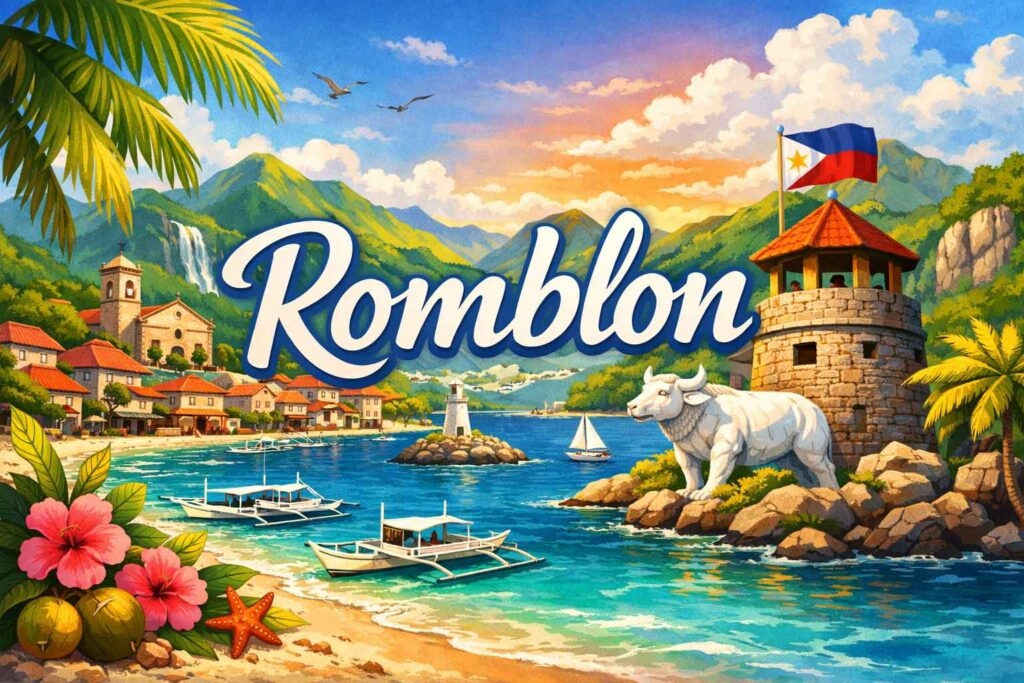
The island province of Romblon holds some of the most extraordinary natural wonders in the Philippines. Known for its marble, turquoise waters, and breathtaking cliffs, this destination hides a world of mystery and geological marvels that both locals and travelers find fascinating. From the formation of its rugged terrain to its glowing shores, the strange geography of Romblon tells a story written by time itself.
The Marble Heart of the Philippines
Romblon’s nickname as the “Marble Capital of the Philippines” comes from its rich deposits of pure, high-quality marble found across its islands. What makes it unique is that the marble here is not just white — it comes in shades of black, green, and even gold-veined patterns. The landscape shaped by marble quarries and natural erosion has given birth to caves, slopes, and cliffs that shimmer under the sunlight.
This geological beauty has made Romblon both a craftsman’s paradise and a geologist’s dream. The marble formations also serve as silent witnesses to the island’s long geological evolution, sculpted over millions of years by the forces of nature.
The Shifting Shores and Hidden Lagoons
The geography of Romblon continues to surprise scientists and explorers. Some beaches are known to “move” or change shape depending on the tides and seasons. The most famous is the sandbar that connects Bonbon Beach to Bangug Island, a natural bridge that appears and disappears with the waves — a stunning example of nature’s ever-changing art.
If you’re planning to witness this natural wonder yourself, make sure to check out Bonbon Beach island-hopping details here before your journey.
Beneath the surface, hidden lagoons and underwater caves thrive with marine life. Divers often report discovering coral walls, tunnels, and mysterious rock formations that resemble faces, animals, and even ancient ruins.
The Mysterious Caves and Mountain Formations
Romblon is home to caves filled with stalactites and stalagmites that glow when touched by light. Locals believe these caves were once sacred sites, used by ancestors for rituals and shelter. Some mountains, such as Mount Guiting-Guiting, are so sharply ridged that they look almost unreal — a testament to the island’s strange geological design.
The combination of limestone cliffs, volcanic rocks, and marble formations makes Romblon one of the most geologically diverse provinces in the Philippines. Each hill and cave carries its own legend, often blending natural science with local folklore.
Natural Balance and Biodiversity
Romblon’s geography does more than attract tourists — it supports a rich ecosystem. The mix of rocky terrain, mangrove forests, and coral reefs provides sanctuary to diverse wildlife. Rare birds, exotic fish, and unique plants thrive in its protected areas. Locals have long understood the importance of preserving this natural harmony, ensuring that its wonders remain untouched for generations.
Even its waterfalls, often hidden deep in the forest, form natural pools that reflect the island’s tranquil spirit. Many travelers describe Romblon as both strange and serene — a place where nature shows its power and poetry in equal measure.
A Landscape of Legends
Every cliff and cave in Romblon seems to tell a story. Some locals speak of enchanted rocks that move at night, or of glowing rivers seen only under a full moon. Whether you believe in these tales or not, there’s no denying that Romblon’s geography has a mystical allure that keeps adventurers coming back.
The strange geography and natural wonders of Romblon remind us that the Earth is alive — constantly shifting, growing, and creating new beauty. From its marble mountains to its shimmering shores, this island is a living museum of nature’s finest work.