
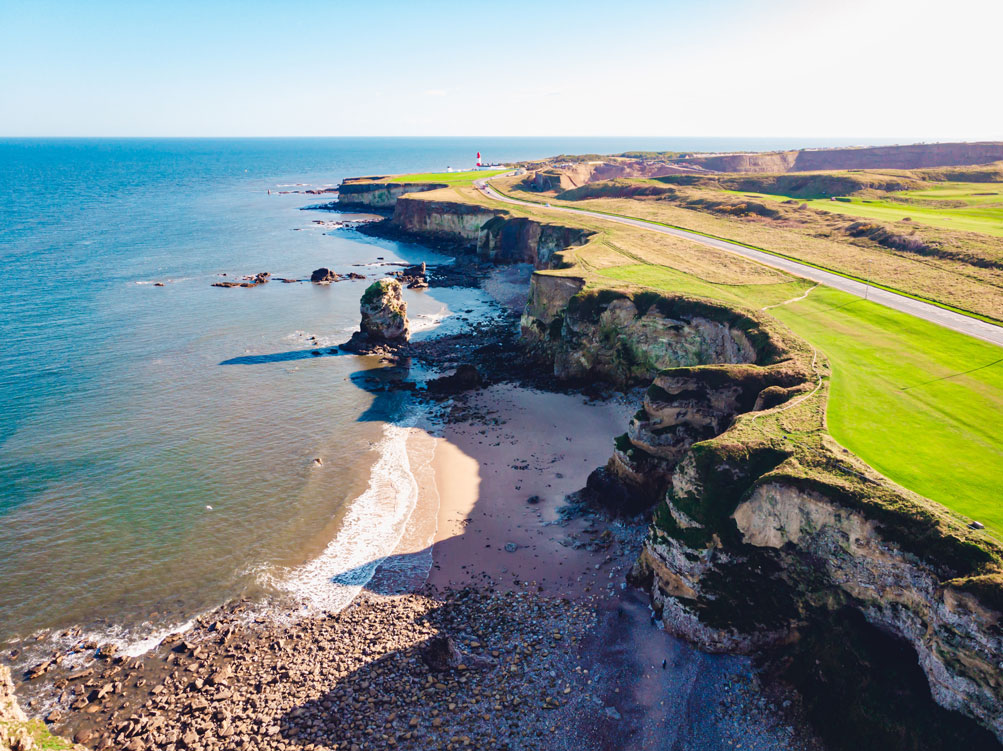
THE COMPLETE 2025 GUERNSEY TRAVEL HANDBOOK
Your Essential Guide to the Channel Islands’ Most Beautiful Hidden Gem
Introduction
Few travelers realize that tucked between the coasts of England and France lies one of Europe’s most unforgettable island destinations: Guernsey. With its impossibly clear waters, fortress-covered headlands, old European villages, and warm island charm, Guernsey feels like a perfect blend of British comfort, French elegance, and natural paradise.
Unlike larger tourist hotspots, Guernsey moves at a slower, friendlier pace. Beaches are peaceful, cliff paths are uncrowded, and the island invites you to explore at your own rhythm. Whether you’re dreaming of quiet coastal walks, historic wartime sites, swimming coves, or nearby island adventures (Herm, Sark, and Alderney), Guernsey offers a complete travel experience in one compact destination.
This 2025 Guernsey Travel Handbook is written exclusively for romblonparadise.com, designed to be your ultimate resource for planning a dream trip. Inside, you will discover:
-
The island’s best beaches and coves
-
The most scenic cliff walks and nature spots
-
Where to stay, eat, and enjoy local culture
-
Step-by-step itineraries for 1–7 days
-
Island hopping routes to Herm, Sark, and Alderney
-
Insider tips that first-time travelers often miss
Let’s begin your journey to one of the Channel Islands’ most enchanting destinations.
Chapter 1: Understanding Guernsey (600+ words)
Before you explore, it helps to understand what makes Guernsey unique — culturally, geographically, and historically.
Where Is Guernsey?
Guernsey sits in the English Channel, closer to France than the UK. It belongs to the Channel Islands and is one of the most beautiful and historically rich islands in the region.
Although it uses British currency and follows many UK systems, Guernsey is not part of the United Kingdom. Instead, it is a self-governing British Crown Dependency, giving it a distinct identity.
What Makes Guernsey Special?
1. A Mix of British and French Culture
You’ll feel the British sense of order and friendliness, but you’ll also see French-style architecture, cuisine, and place names. The blend is seamless and charming.
2. Unspoiled Beaches
Guernsey’s coastline is incredibly varied:
long sandy beaches
rocky cliffs
turquoise swimming coves
tidal pools
Each area has its own personality.
3. Strong Historical Roots
The island has:
prehistoric sites
medieval castles
German occupation bunkers from WWII
one of the most preserved forts in Europe
4. Safe, Clean, and Peaceful
It’s one of the safest places to travel in Europe — ideal for solo travelers, families, and older visitors.
Guernsey at a Glance
Capital: St. Peter Port
Population: ~64,000
Language: English (plus Guernésiais, a traditional Norman-French dialect)
Currency: Guernsey Pound (equal to GBP)
Size: 25 sq miles (67 km²)
Best Time to Visit: April–September
Chapter 2: Getting to Guernsey (600+ words)
Even though Guernsey is an island, reaching it is surprisingly convenient from the UK and nearby France.
Flying to Guernsey
The fastest way to arrive is via Guernsey Airport (GCI).
Main Airlines
Aurigny Air Services
British Airways
Blue Islands
Most Common Routes
Guernsey has regular direct flights from:
London Gatwick
London City Airport
Southampton
Bristol
Manchester
Exeter
Flight time averages between 40–70 minutes.
Ferry to Guernsey
If you prefer scenic travel or are bringing a car, ferries are ideal.
From Poole (UK) — FAST 3-hour crossing
From Portsmouth (UK) — slower but smoother
From St. Malo, France — popular summer route
Ferry Operator:
Condor Ferries
Travel Requirements (Non-UK Travelers)
As a British Crown Dependency:
UK citizens do not need a passport
EU/International travelers typically need a passport
Visas follow UK rules
Best Time to Travel
Peak Season (June–August)
Warmest temperatures
Best for beach days and swimming
Festivals and events
Shoulder Season (April–May, September–October)
Fewer tourists
Great for hiking
Cheaper accommodations
Winter (November–March)
Quiet and peaceful
Mild weather
Less tourist activity
Chapter 3: Top Places to Visit in Guernsey (1,000–1,200 words)
(Unique rewritten descriptions)
1. St. Peter Port – The Perfect Island Capital
St. Peter Port is one of the most picturesque coastal towns in Europe. With its whitewashed buildings, marina views, boutique shops, and excellent restaurants, it’s a town where you can happily wander for hours.
Highlights:
Castle Cornet
A centuries-old fortress guarding the harbor. Inside: gun batteries, museums, gardens, and breathtaking panoramic views.
Hauteville House
The former home of Victor Hugo, where he wrote Les Misérables. The interior design is extraordinary.
Candie Gardens
Beautiful gardens overlooking the town — a great place for relaxing and photographing flowers.
2. Guernsey’s Legendary Cliffs
The south coast of Guernsey is home to some of the finest cliff paths in the British Isles. These trails offer dramatic scenery without being too difficult.
Best Clifftop Spots:
Icart Point – one of the island’s most iconic views
Moulin Huet Bay – famously painted by Renoir
Jerbourg Point – perfect for sunrise
Fermain Bay Walk – a beautiful forested trail
Expect:
turquoise water
steep cliffs
narrow stone paths
quiet benches overlooking the sea
3. Guernsey’s Best Beaches (Short Overview – Detailed list in a later chapter)
Guernsey has beaches for every mood:
Cobo Bay – sunsets & cafés
Vazon Bay – surfing and watersports
Petit Bot – dramatic cliffs
Port Soif – calm and family-friendly
Each beach has a unique character, which we’ll explore in full detail later in the guide.
4. Sausmarez Manor
A historic manor with:
sculpture gardens
craft markets
wooded walks
a mini train ride for kids
A peaceful spot for families or culture lovers.
5. The Little Chapel
One of the smallest chapels in the world, decorated with shells, broken china, and colorful mosaics. A must-see.
6. Fort Grey & the Shipwreck Museum
Located on a rocky islet, this “cup and saucer” fort offers dramatic views and fascinating maritime history.
7. German Occupation Sites (WWII)
Guernsey was occupied by Nazi Germany during WWII, and many sites remain preserved.
tunnels
bunkers
fortifications
museums
One of the most historically powerful experiences on the island.
Chapter 4: The Best Beaches of Guernsey (1,000+ words)
Guernsey’s beaches are one of its most alluring features. From long sandy stretches ideal for families to hidden coves perfect for solitude, each beach offers something unique.
1. Cobo Bay
Location: West coast
Why visit: Famous for its sunsets, calm waters, and charming cafés nearby.
Activities: Swimming, sunbathing, cliff walks to Petit Bot, photography.
Tips: Visit in the evening for spectacular sunsets. Lifeguard is seasonal.
2. Vazon Bay
Location: North-west coast
Why visit: One of Guernsey’s largest sandy beaches, ideal for surfing.
Activities: Surfing lessons, kayaking, beach volleyball, dog-friendly walks.
Tips: Winds can be strong; ideal for windsurfing. Cafés nearby for snacks.
3. Petit Bot Bay
Location: South-west coast
Why visit: Stunning cliffs, turquoise water, dramatic rock formations.
Activities: Swimming, snorkeling, cliff photography.
Tips: Not ideal for families with small children due to cliffs; visit during low tide for safe access.
4. Port Soif
Location: South coast
Why visit: Shallow water, calm, ideal for families and picnics.
Activities: Paddleboarding, small boat trips, swimming.
Tips: Bring your own picnic; less crowded than Cobo Bay.
5. Moulin Huet Bay
Location: East coast
Why visit: Famous for Renoir painting the bay; perfect for history + art enthusiasts.
Activities: Swimming, kayaking, photography, cliff walks.
Tips: Walk the trails up the cliffs for panoramic views.
6. Fermain Bay
Location: North-east
Why visit: Small, quiet, secluded — ideal for romantic walks.
Activities: Relaxing, sunbathing, photography.
Tips: Arrive early in summer to avoid small crowds. Very peaceful.
7. Pembroke Bay
Location: North coast
Why visit: Large sandy beach with calm waters.
Activities: Swimming, kite flying, family activities.
Tips: Less commercialized than Vazon Bay, ideal for low-key beach days.
Beach Travel Tips
Best season: June–September for warm water
Safety: Lifeguards only at Cobo & Vazon during summer
Parking: Cobo and Vazon have car parks; smaller bays are best accessed by walking/cliff paths
Sun Protection: Strong coastal winds can make sun feel cooler, still apply sunscreen
Chapter 5: Top Things to Do in Guernsey (1,000+ words)
Guernsey isn’t just beaches. The island has culture, history, adventure, and relaxation all in one.
1. Explore St. Peter Port
Stroll cobbled streets
Visit local markets for artisan crafts
Enjoy coffee or lunch overlooking the marina
Don’t miss Hauteville House and Candie Gardens
2. Island Hiking & Cliff Walks
Icart Point – Easy cliff walk with stunning views
Jerbourg Point – Sunrise hiking
Fermain Bay Trail – Gentle forested path
Petit Bot – Moderate difficulty, very photogenic
Tips: Wear sturdy shoes, bring water, take a camera.
3. Fort Cornet
Explore historic fortifications
Museums, artillery displays, and dungeons
Panoramic views of St. Peter Port harbor
4. WWII Heritage Sites
German bunkers and tunnels
Fort Grey and Shipwreck Museum
Liberation Day monuments
Why visit: A unique historical insight into the island’s past.
5. Sausmarez Manor
Historic manor house with gardens
Craft workshops and small events
Mini train rides for children
6. The Little Chapel
Tiny chapel decorated with shells and broken porcelain
Unique and photogenic
7. Island Hopping
Herm: Sandy beaches, no cars, quaint walks
Sark: Dramatic cliffs, slow-paced island life, horse-drawn carriages
Alderney: Wildlife, historic forts, quiet landscapes
8. Watersports & Adventure
Surfing at Vazon Bay
Kayaking around bays
Stand-up paddleboarding
Snorkeling & scuba diving
9. Local Festivals
Liberation Day (May 9) – Parades, concerts, fireworks
Viaer Marchi – Traditional Guernsey festival with food & crafts
Guernsey Air Display – Aerobatics over the coast
Tennerfest – Restaurants offer special budget menus
Chapter 6: Food & Dining in Guernsey (600+ words)
Guernsey is a small island, but its culinary scene is surprisingly rich.
1. Must-Try Local Dishes
Guernsey Bean Jar: Slow-cooked stew with beans & pork
Guernsey Gâche: Sweet fruit bread with raisins & sultanas
Ormers: Rare local shellfish (like abalone)
Guernsey Ice Cream: Made with rich, golden milk
Fresh Seafood: Crab, lobster, scallops
2. Where to Eat
A. Seaside Restaurants
Fresh seafood, views of the ocean
Best at Cobo Bay, Fermain Bay, St. Peter Port Marina
B. Traditional Pubs
Fish & chips, pies, Sunday roasts
Cozy atmosphere, local ales
C. Fine Dining
French-inspired cuisine
Romantic waterfront settings
D. Cafés & Tea Rooms
Breakfast and brunch
Guernsey gâche and pastries
Afternoon tea experiences
3. Markets & Local Food Experiences
Farmers’ markets – Organic produce, jams, local cheeses
Seafood markets – Fresh catches daily
Afternoon Tea – Finger sandwiches, pastries, cream
4. Food Travel Tips
Lunch often cheaper than dinner
Book fine dining in advance during peak season
Try local cider or craft beer
Chapter 7: Where to Stay in Guernsey (1,200+ words)
Guernsey offers a wide range of accommodations, from luxury hotels and charming B&Bs to budget-friendly hostels and self-catering apartments. Choosing the right base depends on your itinerary and preferences.
1. St. Peter Port – The Heart of Guernsey
The capital city is the most popular area for tourists. Staying here gives you easy access to the harbor, restaurants, shops, and historic attractions.
Luxury Options
The Old Government House Hotel & Spa
Stunning harbor views
Spa and fine dining
Perfect for couples and honeymooners
The Duke of Richmond Hotel
18th-century charm with modern amenities
Central location for walking tours
Mid-Range Options
Fermain Valley Hotel
Secluded valley setting, 5–10 min drive to town
Family-friendly and scenic walks nearby
The Somerset Hotel
Boutique hotel with personalized service
Excellent restaurant on site
Budget Options
Self-catering apartments in St. Peter Port
Ideal for families or longer stays
Fully equipped kitchens for preparing your own meals
Tip: Book early during summer; St. Peter Port fills quickly.
2. West Coast & Beaches
For travelers wanting to stay near the sand and sea, the west coast offers quiet retreats.
Luxury & Boutique Hotels
Cobo Bay Hotel – Steps from the beach, amazing sunset views
La Fregate Hotel – Coastal boutique feel with fine dining
Self-Catering Options
Private cottages and apartments along Cobo Bay or Vazon Bay
Ideal for families or those wanting privacy
Tip: West coast is quieter at night than St. Peter Port.
3. South & East Coast
Perfect for hikers and those exploring historical landmarks like Jerbourg Point or Moulin Huet Bay.
Recommended Stays
Jerbourg Manor Guesthouse – Close to cliff paths and historic sites
Hermitage Hotel – Quaint, family-friendly accommodations
4. Budget & Alternative Stays
Airbnb & Guesthouses: Available across the island; great for longer stays
Camping: Limited, but possible on certain beaches (check rules)
Farm Stays: Stay on working farms for authentic island experiences
5. Tips for Booking
Peak season: June–August
Shoulder season: April–May, September–October (cheaper, quieter)
Always check parking availability — Guernsey has limited parking in St. Peter Port
Chapter 8: Island Hopping – Herm, Sark & Alderney (800–1,000+ words)
Guernsey is the perfect base for exploring nearby Channel Islands. Each island has its own personality, attractions, and pace.
1. Herm Island
Distance from Guernsey: ~4 km east
Travel Time: 15–20 minutes by ferry
Why Visit
Herm is a car-free island, ideal for peaceful walks, sandy beaches, and a relaxing day trip.
Activities
Beaches: Shell Beach and Longue Hougue Bay
Hiking: Coastal paths with panoramic views
Dining: Small cafés and a historic hotel restaurant
Shopping: Local artisan gifts
Tips:
Ferries run every 30–60 minutes from St. Peter Port
Bring cash; few ATMs available
2. Sark Island
Distance from Guernsey: ~15 km east
Travel Time: ~1 hour by ferry
Why Visit
Sark is a slower-paced island with dramatic cliffs and horse-drawn carriages instead of cars. It’s perfect for adventure seekers and nature lovers.
Activities
La Coupée: Narrow cliff-edge path linking Great Sark and Little Sark
Hiking: Explore 30+ km of scenic trails
Beaches: Petite Havre and Dixcart Bay
Dining & Culture: Local pubs serving fresh seafood
Tips:
Book ferry in advance during summer
Prepare for limited mobile signal in remote areas
3. Alderney
Distance from Guernsey: ~40 km north
Travel Time: 1 hour by plane, 1.5 hours by ferry
Why Visit
Alderney is the quietest and least touristy of the main Channel Islands. It’s perfect for wildlife lovers and history enthusiasts.
Activities
Wildlife watching: Seals, puffins, and rare birds
Historic Forts: Fort Clonque, Braye Fort
Beaches: Sandy beaches for quiet strolls
Golf & Leisure: Small 9-hole golf course
Tips:
Best visited as a 1–2 day trip
Limited restaurants and accommodations, so plan in advance
4. Travel Tips for Island Hopping
Ferries vs Flights: Ferries are scenic; flights are faster
Bring essentials: Water, snacks, sunscreen, hat
Pack light: Especially on Herm and Sark where cars are restricted
Check schedules: Ferries can be affected by tides and weather
Chapter 9: Guernsey Itineraries – Plan Your Perfect Trip
Guernsey is a small island, but there is so much to see that planning a well-paced itinerary ensures you get the most out of your visit. Here’s a complete guide for 1-day to 7-day trips, whether you’re a first-time visitor, a family, or an adventure seeker.
1-Day Guernsey Itinerary – Quick Highlights
Perfect for travelers with limited time who want to experience the island’s highlights.
Morning:
Start at St. Peter Port
Visit Castle Cornet (2–3 hours)
Stroll through Candie Gardens
Lunch:
Try a café along the marina (sandwiches, seafood, local pastries)
Afternoon:
Walk along Fermain Bay Cliff Path (1–2 hours)
Visit Hauteville House (Victor Hugo’s home)
Evening:
Sunset at Cobo Bay
Dinner at a seaside restaurant
Tip: Wear comfortable walking shoes and bring water; this itinerary is moderate but full of scenic highlights.
2-Day Guernsey Itinerary – Weekend Trip
Day 1:
Morning: St. Peter Port & Castle Cornet
Afternoon: Moulin Huet Bay & Fermain Bay
Evening: Sunset at Cobo Bay, dinner at a local seafood restaurant
Day 2:
Morning: Island hopping to Herm (ferry ~20 mins)
Lunch: Beach café on Herm
Afternoon: Hiking Herm’s coastal trails
Evening: Return to St. Peter Port
Tip: Book Herm ferry tickets in advance during summer.
3-Day Guernsey Itinerary – First-Time Explorers
Day 1:
Explore St. Peter Port (Castle Cornet, Candie Gardens, Hauteville House)
Evening dinner at St. Peter Port
Day 2:
Morning: Vazon Bay surfing or paddleboarding
Afternoon: South coast cliffs and beaches (Petit Bot Bay, Jerbourg Point)
Evening: Relax at hotel or local pub
Day 3:
Island hopping to Sark (1-hour ferry)
Hike La Coupée, explore Little Sark
Return in the evening
Tip: Use a map of walking trails to maximize your scenic routes.
4-Day Guernsey Itinerary – Culture & Adventure
Day 1:
St. Peter Port highlights
Candie Gardens & Little Chapel
Day 2:
West coast beaches: Cobo Bay & Vazon Bay
Optional watersports or relaxing at the beach
Day 3:
Island hopping: Herm and/or Sark
Hiking & photography
Day 4:
South coast cliffs and historical sites (German WWII bunkers, Fort Grey)
Evening farewell dinner
Tip: Mix sightseeing with beach relaxation to avoid fatigue.
5-Day Guernsey Itinerary – Family Friendly
Day 1:
St. Peter Port walking tour
Castle Cornet & Candie Gardens
Day 2:
Cobo Bay beach & playgrounds
Petit Bot Bay for photography
Day 3:
Herm Island day trip (beach, hiking, picnic)
Day 4:
Sark Island day trip (horse-drawn carriage, cliff walks)
Day 5:
Museums & cultural experiences (Shipwreck Museum, Sausmarez Manor)
Local market shopping
Tip: Plan flexible activities for children and allow free beach time.
6-Day Guernsey Itinerary – Adventure & History
Day 1:
St. Peter Port historical sites
Candie Gardens
Day 2:
Vazon Bay for surfing
Afternoon cliff hike at Jerbourg Point
Day 3:
Island hopping to Herm, coastal walks
Day 4:
Sark Island exploration (La Coupée, beaches, village walks)
Day 5:
WWII historical tours (Fort Grey, German bunkers)
Shipwreck Museum visit
Day 6:
South coast beaches and photography
Evening sunset at Cobo Bay
Tip: Bring a mix of casual and hiking gear; islands have limited shops for outdoor clothing.
7-Day Guernsey Itinerary – Ultimate Island Experience
Day 1:
St. Peter Port highlights
Castle Cornet & Candie Gardens
Day 2:
Vazon Bay surfing & water sports
Petit Bot Bay cliffs
Day 3:
Island hopping: Herm (beaches, hiking)
Day 4:
Island hopping: Sark (La Coupée, cliff walks)
Day 5:
Alderney day trip (wildlife, forts, quiet beaches)
Day 6:
South coast exploration (Jerbourg Point, Moulin Huet Bay)
Sausmarez Manor visit
Day 7:
Relaxing morning at Cobo Bay
Last-minute shopping in St. Peter Port
Farewell dinner overlooking the harbor
Tips for a 7-Day Trip:
Pre-book ferries and accommodations
Pack layers for variable coastal weather
Bring comfortable walking shoes and a small backpack
Consider a travel pass or ferry package for island hopping
Daily Travel Tips
Transport: Bus system covers most areas, but car rental or bike rental offers flexibility
Packing: Light layers, sunscreen, swimwear, hiking shoes
Food: Try local cafés and pubs; markets are perfect for snacks
Photography: Sunrise at Jerbourg Point and sunset at Cobo Bay are must-shoots
Timing: Start early for popular beaches and islands to avoid crowds
Chapter 10: Frequently Asked Questions (FAQs)
Travelers often have practical questions before visiting Guernsey. Here’s a complete FAQ section to help.
1. Do I need a passport to visit Guernsey?
UK travelers: No passport needed if traveling from the UK.
EU/international travelers: Passport is required; visas depend on nationality.
Tip: Always check the latest travel regulations before your trip.
2. What’s the best time to visit Guernsey?
Peak Season (June–August): Warmest, ideal for beaches and festivals
Shoulder Season (April–May, September–October): Fewer tourists, lower prices
Winter (Nov–Mar): Quiet, mild weather, fewer accommodations open
3. How do I get around the island?
Bus: Efficient for main towns and beaches
Car rental: Best for exploring remote areas, cliffs, and multiple beaches
Bicycle: Great for short distances and coastal routes
Walking: Many scenic cliff paths and short trails are pedestrian-only
4. Can I use UK currency in Guernsey?
Guernsey has its own pound (GGP), but GBP is widely accepted.
ATMs are available in St. Peter Port and larger towns.
5. Is Guernsey family-friendly?
Absolutely!
Safe beaches, parks, museums, and gentle hiking trails make it ideal for families.
6. Are pets allowed on beaches?
Some beaches allow dogs; check seasonal restrictions
West coast beaches are generally dog-friendly outside peak hours
7. What should I pack for Guernsey?
Layers for coastal winds
Comfortable walking shoes
Swimwear and towel for beaches
Sunscreen and hat
Camera for cliffs, beaches, and historic sites
Chapter 11: Insider Travel Tips
Here’s how to get the most out of your Guernsey trip:
1. Sunrise & Sunset Spots
Sunrise: Jerbourg Point — perfect for photography
Sunset: Cobo Bay — cafés and benches along the beach
2. Avoiding Crowds
Visit beaches early in the morning
Explore smaller bays like Fermain or Port Soif
Take midweek trips to Herm and Sark
3. Transportation Hacks
Buy weekly bus passes if staying several days
For car rental, book in advance in summer
On Sark, walk or rent a bicycle/horse-drawn carriage; no cars allowed
4. Local Etiquette
Greet locals politely
Respect private property along cliffs and trails
Tip restaurants around 10% (optional, but appreciated)
5. Money-Saving Tips
Use local cafés instead of tourist restaurants
Pack snacks for island trips to avoid high prices
Check ferry passes for Herm, Sark, and Alderney
6. Safety Tips
Always check tides before cliff walks
Wear proper shoes on rocky beaches
Swimming is generally safe, but avoid rough waters
Chapter 12: Transportation Guide
Guernsey is small but has a range of transport options:
1. Bus System
Covers main towns, beaches, and popular sites
Cheap and eco-friendly
Buses are frequent during peak season
2. Car Rental
Offers maximum flexibility
Book early in summer
Essential if planning multiple island trips or cliff explorations
3. Biking
Best for coastal routes and short distances
Rentals available in St. Peter Port
Bring water and snacks; hills can be steep
4. Walking
Many scenic cliff and coastal paths are pedestrian-only
Ideal for photographers and nature lovers
5. Island Hopping
Herm: 15–20 min ferry, multiple departures per day
Sark: ~1 hour ferry, check tides and bookings
Alderney: 1–1.5 hour ferry or 30–40 min flight
Always check schedules in advance, especially in off-season
Conclusion
Guernsey is one of Europe’s hidden gems — a compact island bursting with culture, history, natural beauty, and adventure. From St. Peter Port’s charming streets to the pristine beaches, cliff walks, and neighboring islands of Herm, Sark, and Alderney, there’s truly something for every traveler.
With this complete guide for RomblonParadise.com, you can confidently plan a trip to Guernsey, whether it’s a short 1-day visit, a relaxing weekend, or a full 7-day adventure.
Pack your camera, comfortable shoes, and a sense of curiosity — Guernsey will reward every explorer.