
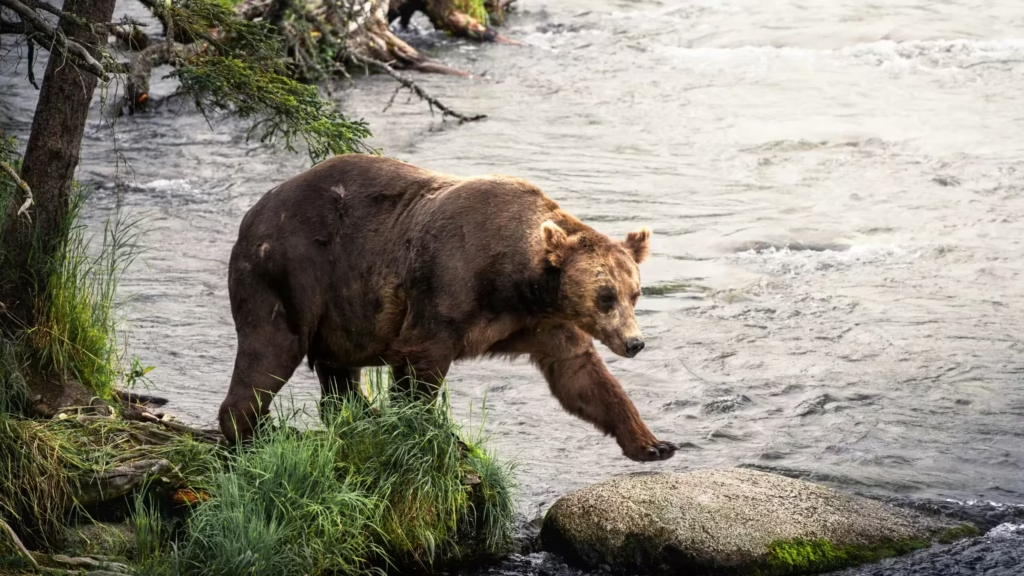
Grizzly Bear Sighting Prompts Warnings Near Vancouver Island Community
Residents and visitors near Port Alberni are being urged to exercise extreme caution after a confirmed grizzly bear sighting on Vancouver Island. The encounter, which occurred in the Sproat Lake area, has triggered immediate warnings from conservation officers and local authorities. While black bears are common across the island, grizzly bears are rare and a significant event, prompting a heightened level of public awareness and safety protocols.
This article provides an expert breakdown of what happened, why this sighting is noteworthy, and how you can stay safe in grizzly country. It also explores the ecological implications and what this means for the future of wildlife management on the island.
The Sighting: What We Know So Far
According to reports from the Times Colonist, the grizzly bear was spotted near a residential area close to Sproat Lake, a popular recreational destination west of Port Alberni. The sighting was confirmed by the BC Conservation Officer Service (COS), which has since deployed personnel to monitor the situation.
Key details from the initial report include:
- Location: Sproat Lake area, approximately 15 kilometers west of Port Alberni
- Date: Late July 2024
- Bear Type: Confirmed grizzly bear (Ursus arctos horribilis), distinct from the more common black bear by its prominent shoulder hump, dished facial profile, and long, curved claws
- Response: Conservation officers are on site, setting up traps and conducting patrols to assess the bear’s behavior and ensure public safety
The COS has issued a warning for all residents, campers, and hikers in the Sproat Lake, Great Central Lake, and surrounding watersheds to remain highly vigilant. This is not a routine situation; the presence of a grizzly demands a higher level of caution than a typical black bear encounter.
Why a Grizzly on Vancouver Island is a Major Event
To understand the significance of this sighting, it’s important to consider the historical and ecological context. For decades, the prevailing scientific and management consensus has been that grizzly bears are functionally extinct on Vancouver Island.
The last confirmed resident population disappeared in the early 20th century due to overhunting and habitat fragmentation. For the past century, the island has been dominated by black bears. As a result, most safety guidelines for locals and tourists are tailored specifically for black bears.
The Mainland Connection
So, where did this bear come from? Experts believe it likely swam across from the mainland. Grizzly bears are powerful swimmers, capable of crossing narrow channels such as the Johnstone Strait or the Strait of Georgia. While rare, these “swimmer” grizzlies have been documented on the island roughly once every decade.
This particular sighting is drawing attention due to its proximity to a populated recreational area.
Expert Safety Protocols: Grizzly vs. Black Bear
A critical mistake is applying black bear safety rules to a grizzly encounter. This can be dangerous. Understanding the difference is essential.
Behavioral Differences You Must Know
- Black Bears: Generally more timid and likely to flee. Attacks are often predatory
- Grizzly Bears: More defensive and aggressive, especially when protecting cubs, food, or territory
What to Do in Grizzly Country
If you are hiking or camping in the Sproat Lake area, assume you are in grizzly territory and adjust your behavior accordingly.
- Make Noise
Call out “Hey bear!” regularly, especially in dense areas, near streams, or around blind corners.
Do not rely solely on bear bells.
Clap loudly or carry an air horn. - Manage Food and Attractants
Store all food, garbage, and toiletries in bear-resistant containers.
Cook at least 100 meters away from your sleeping area.
Clean all utensils immediately. - Carry Effective Deterrents
Bear spray should be easily accessible and ready to use.
Know how to deploy it and check expiration dates.
Bear spray remains the most effective deterrent for most people.
If You Encounter a Grizzly Bear
Your immediate reaction is critical.
- Do not run. A grizzly can reach speeds over 35 mph
- Stand your ground and speak calmly
- Raise your arms slowly to appear larger
- Be aware of bluff charges—they may stop suddenly
If attacked:
- Play dead by lying flat on your stomach
- Protect your neck with your hands
- Stay still until the bear leaves
Only fight back if the bear begins a predatory attack.
The Broader Ecological Implications
This sighting is more than a news event—it reflects a larger ecological discussion.
Are Grizzlies Returning to the Island?
There is no evidence of an established breeding population. This bear is likely a transient individual. However, some conservation groups support reintroducing grizzlies to restore ecological balance, while others raise concerns about safety and livestock risks.
For now, authorities are focused on managing the current situation. If the bear becomes accustomed to human food, relocation or euthanasia may be considered.
What Local Residents and Visitors Should Do Now
The warning is serious. If you are in the Sproat Lake area, follow these guidelines:
- Secure all garbage in bear-proof containers
- Remove bird feeders
- Keep pets leashed and supervised
- Share information with neighbors
- Report sightings immediately to authorities
Conclusion: Respect the Wilderness
The appearance of a grizzly near Port Alberni is a powerful reminder of the island’s wild nature. While rare, it requires awareness and respect.
Humans are visitors in this environment. By following proper safety measures and maintaining distance, both people and wildlife can remain safe.
Stay aware. Stay prepared. Stay safe.