
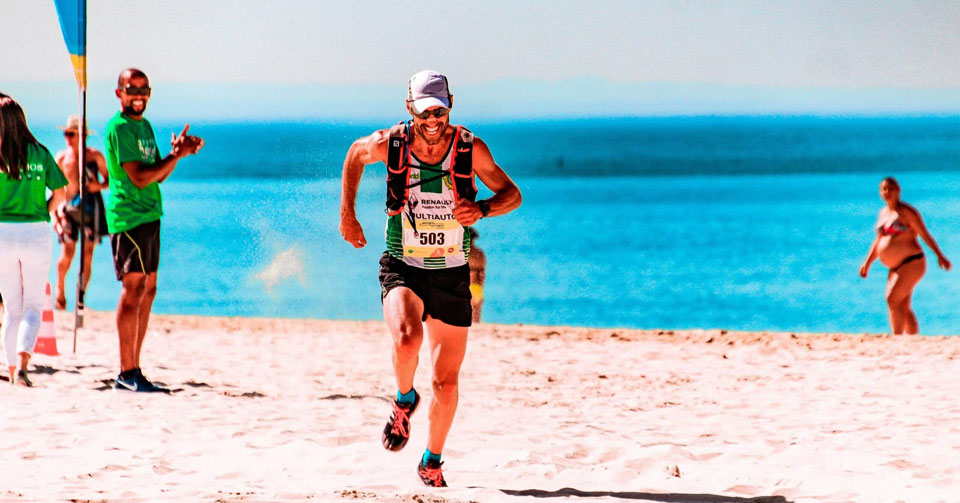
Discover Trail Running as the Ultimate Weekend Island-Hop Adventure
Forget the crowded ferry queues, overpriced cocktails, and the monotony of sunbathing on a packed beach. A new travel trend is emerging among weekend warriors and fitness enthusiasts: trail running as a form of island hopping. Instead of jumping between boats, you are jumping between peaks, ridges, and coastal cliffs. This isn’t your father’s island vacation; it’s a raw, kinetic exploration of geography that requires stamina, navigation, and a hunger for the untamed.
While the Philippines is famous for its pristine shorelines, the archipelago’s mountain trails offer a unique proposition. You can leave your dive fins at home and trade them for trail shoes to discover the topography of islands like Bohol, Cebu, and Palawan in a way few tourists ever experience.
Why Trail Running is the New Weekend Getaway
Traditional island hopping is passive. You sit, you float, you drift. Trail running is active engagement. You feel the limestone beneath your soles, you smell the freshwater cascading off the karst cliffs, and you hear the subsonic thud of your heart as you crest a ridgeline overlooking the Sulu Sea.
The modern traveler is no longer satisfied with a “see and leave” approach. The demand is for adventure tourism that boosts dopamine and provides a tangible challenge. Trail running delivers this in spades. It combines the meditative quiet of nature with the endorphin rush of high-intensity cardio.
The core appeal lies in three distinct advantages:
- Efficiency: You cover more ground in a single morning than a hiker does in a full day.
- Immersion: Your pace forces you to see every root, every rock, and every change in terrain.
- Exclusivity: Most tourists stick to the town centers. Runners get the backcountry.
How to Plan Your Ultimate Weekend Island-Hop Run
You don’t need an Ironman budget to pull this off. You just need strategic planning and a willingness to wake up before sunrise.
Step 1: Choose Your Archipelago
Not every island is suited for a running adventure. You need terrain that offers diversity:
- Siargao: Known for waves, but the interior roads and unpaved tracks through coconut groves offer flat, fast, humid runs.
- Batanes: The rolling green hills and coastal roads provide wind-beaten challenges with zero urban interruption.
- Coron, Palawan: The limestone karst views from the mountain trails are legendary, but expect steep, technical climbs.
- Dumaguete (Negros Oriental): A gateway to the Twin Lakes and Mount Talinis—a haven for trail runners looking for volcanic terrain.
Step 2: Pack Light, Pack Smart
You cannot run with a rolling suitcase. The key to a successful island-hop running trip is ultralight travel.
Your essential gear list should include:
- A hydration vest (1.5L capacity minimum)
- Trail running shoes with aggressive lugs (wet limestone is slippery)
- Quick-dry technical shirts and shorts
- A headlamp (for dawn/dusk runs)
- Electrolyte tablets (to combat tropical heat)
- A waterproof phone pouch (rains can be sudden)
Leave the jeans and flip-flops at home. You are here to move.
Step 3: The Logistics of Island-to-Island Running
This is where most people get stuck. You cannot legally run your own boat between islands, but you can use the local pump boat network. The secret is to schedule your runs around ferry schedules.
A sample weekend itinerary might look like this:
- Friday Evening: Arrive on Island A. Scout the trailhead with a short 5k shakedown before sunset.
- Saturday Morning: Run your long route (15–20 km) starting at 5 AM to beat the heat. Finish by 9 AM.
- Saturday Afternoon: Take the ferry to Island B. Rest and hydrate. Scout the next route on a cool-down run.
- Sunday Morning: Hit the high points of Island B. Run down to the port. Ferry home by 3 PM.
This routine creates a rhythm that maximizes trail time while respecting the limitations of local transport.
The Unique Challenges of Tropical Trail Running
Running in the tropics is different from running in the Rockies or the Alps. The humidity is oppressive. The vegetation is aggressive. You will cut through jungle thickets, navigate mudslides from the previous night’s rain, and dodge monitor lizards.
Managing Hydration and Heat
The biggest enemy is not the distance; it’s the sun. By 8 AM in the Philippines, the UV index is already extreme.
Strategies to stay safe:
- Run below the tree canopy whenever possible
- Pre-hydrate with coconut water the night before
- Carry a filter bottle to reduce water load
- Accept that your pace will be 20–30% slower than road running
Navigating Without GPS
Internet coverage on mountain trails is spotty at best. Do not rely solely on Google Maps.
You should:
- Download offline maps (Maps.me or Gaia GPS are reliable)
- Carry a physical compass
- Hire a local guide for your first run
The Social and Cultural Payoff
One of the most rewarding aspects of trail running through islands is the unscheduled interaction with locals. When you run through farming villages in Siquijor or fishing communities in Camiguin, you are not a typical tourist. You are a spectacle.
Children may run alongside you. Farmers will wave. You may be invited for local coffee or fresh fruit. This kind of cultural immersion is rare in standard tourism. Running breaks the “tourist bubble” and shows how life actually moves in these remote places.
Training Tips for the Weekend Warrior
If your weekday life involves a desk and a treadmill, your weekend island hop can still be successful. You just need to adapt your training.
Focus on three key areas:
- Ankle strength: Daily calf raises, single-leg stands, and balance work
- Back-to-back long runs: Simulate weekend fatigue with consecutive running days
- Hill repeats: Build climbing strength for steep island terrain
Is This Adventure for You?
Let’s be clear: this is not a relaxing vacation. You will be sore. Your socks will be caked in mud. You might get a leech or two.
But if you want a weekend that leaves you feeling more alive than exhausted—if you want to see an island from its highest ridge down to its hidden waterfalls in a single day—then trail running is your new island-hopping strategy.
The coastline is the border. The trail is the path. And the weekend is your only constraint. Step off the boat, tie your laces, and keep moving until you’ve touched every contour of the land.
The islands are waiting for your footprints, not your beach towel.