
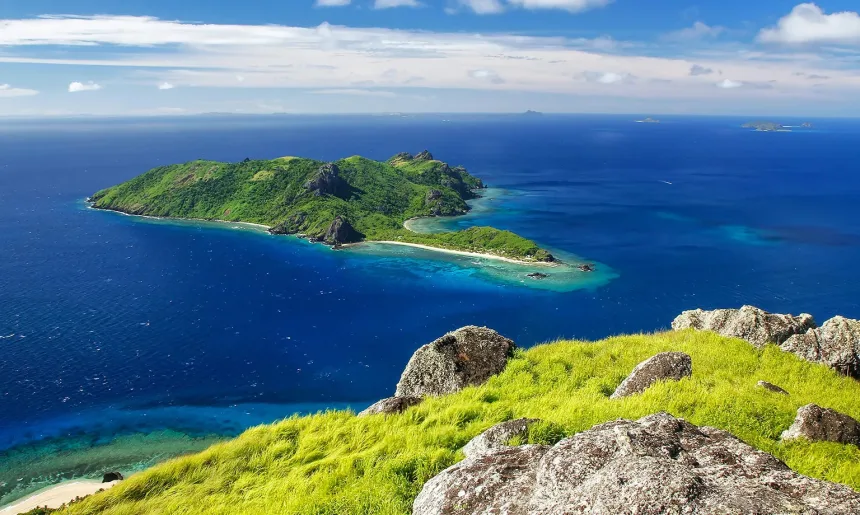
The Ultimate Guide to Island Hopping Tourism for Adventure Seekers
Imagine waking up to the sound of gentle waves lapping against a wooden pier, the scent of salt and tropical flowers filling the air. You pack a small bag, step onto a speedboat, and within an hour, you are standing on a completely different island—one with white volcanic sand, hidden lagoons, and a culture that feels worlds apart from the one you left this morning. This is not a dream. This is island hopping tourism, and for adventure seekers, it is the purest form of freedom.
In a world where travel is often about checking boxes, island hopping breaks the mold. It is not about staying in one resort. It is about movement, discovery, and raw, unfiltered nature. Whether you are navigating the emerald waters of the Philippines, the rugged coastlines of Greece, or the remote archipelagos of Indonesia, the thrill never fades. Here is your comprehensive, adventure-focused guide to mastering the art of island hopping.
What Makes Island Hopping Tourism the Ultimate Adventure?
Island hopping is more than a vacation; it is a mindset. It demands flexibility, a love for spontaneity, and a willingness to get your feet wet—literally. Unlike traditional tourism, where you unpack once and settle in, island hopping requires you to live out of a backpack and embrace the unpredictable.
Why adventure seekers love it:
- Constant novelty: Every island offers a distinct landscape, from towering cliffs to underwater caves.
- Physical engagement: Expect kayaking, hiking, snorkeling, and sometimes climbing volcanic peaks.
- Cultural immersion: You interact with small fishing communities, not just tourist hubs.
- Off-the-grid moments: Many islands have no Wi-Fi, forcing genuine connection with nature.
The beauty lies in the journey itself. The boat ride between islands often becomes the highlight—dolphins swimming alongside your bow, the sun setting over a hundred distant islands, and the wind in your hair.
Best Destinations for Island Hopping Tourism
Not all archipelagos are created equal. For the true adventure seeker, certain regions stand out for their diversity, accessibility, and raw thrill.
1. The Philippines: The King of Island Hopping
With over 7,600 islands, the Philippines is the undisputed champion of island hopping tourism. The best route for adrenaline junkies is the Palawan to Coron crossing, which takes you through limestone karst formations, secret beaches, and incredibly clear lagoons.
Must-do activities:
- Snorkel with sea turtles in the turquoise waters of El Nido.
- Hike to the top of Mount Tapyas in Coron for a 360-degree view of the island chain.
- Explore the shipwrecks of Coron Bay—World War II Japanese wrecks now dive sites.
The local bangka boats (outrigger canoes) are your chariots. They are nimble, affordable, and can squeeze into the smallest coves.
2. Indonesia: The Raw Power of the Archipelago
Indonesia offers a different kind of adventure—one that is both volcanic and spiritual. The Raja Ampat region in West Papua is a bucket-list destination for serious island hoppers. It is remote, requiring multiple flights and long boat rides, but it rewards you with the most biodiverse marine life on Earth.
Adventure highlights:
- Dive beside manta rays and wobbegong sharks at night.
- Paddleboard through the Wayag lagoon, where karst islands rise straight from the sea.
- Camp on uninhabited islands with nothing but stars and waves.
If you prefer a more accessible option, the Gili Islands off Lombok offer a tri-island loop that can be done in a single day, complete with world-class surf and deserted sandbars.
3. Greece: History Meets Island Hopping
While Greece is often associated with romance and relaxation, it has a rugged, adventurous side. The Cyclades chain—especially the route from Naxos to Amorgos to Santorini—offers hiking, windsurfing, and cave exploration.
Unique experiences:
- Hike old donkey trails from Naxos to the abandoned village of Kato Koufonisi.
- Cliff jump into the deep blue waters of Milos’ Sarakiniko Beach.
- Explore hidden sea caves of Paros by kayak.
Ferries are well-organized, but chartering a small sailing boat gives you access to untouched islands.
How to Plan Your Island Hopping Itinerary (Without Losing Your Mind)
Planning can feel overwhelming. There are many islands, boat schedules, and changing conditions. But smart strategies make everything easier.
Choose a “Hub” Island
Instead of moving daily, pick one central island for 3–4 days and take day trips from there. For example, Koh Lanta in Thailand is a great base for nearby islands.
Benefits:
- No need to pack and unpack daily.
- Flexible, weather-based trips.
- Secure place for gear storage.
Master Light Packing
Island hopping means constant movement. Packing light is essential.
Essential gear:
- 40-liter backpack (no wheeled luggage)
- Quick-dry clothing
- Dry bag for electronics
- Reef-safe sunscreen and reusable bottle
- Headlamp for night trips and caves
Embrace Local Transport
Ferries may run once a day, but local boats offer flexible and memorable travel experiences.
Pro tip: In Indonesia, ask for the “kapal biasa” (local boat) schedule. It’s slower, but far more immersive.
Top Tips for Extreme Island Hopping
For serious adventure seekers, go beyond basic travel.
1. Travel in Shoulder Season
Peak season is crowded. Shoulder seasons offer fewer tourists and more raw experiences, even if seas are slightly rougher.
2. Combine Island Hopping with Trekking
Some islands offer inland adventures too. Volcano hikes, forest trails, and crater lakes add depth to the journey.
3. Sleep on the Water
Liveaboard boats let you sleep at sea and wake up in a new destination every day.
4. Learn Basic Snorkeling Safety
Currents can be strong between islands. Always snorkel safely, check tides, and avoid risky solo swims.
The Environmental Side of Island Hopping Tourism
Island ecosystems are fragile and must be protected.
Responsible travel practices:
- Never touch coral reefs
- Use eco-friendly products
- Carry out all trash
- Support local sustainable tourism
Eco-fees in places like the Philippines and Thailand help preserve natural beauty—always respect them.
Final Thoughts: The Freedom of the Open Sea
Island hopping tourism is not for everyone. It requires patience, flexibility, and resilience. You will face delays, sunburn, and unpredictable conditions. But in return, you get something far greater: raw freedom.
Quiet beaches at sunrise, glowing waters at night, shared meals with strangers who become friends—these are the moments that define the journey.
Pack light. Stay curious. Get on the boat. The next island is waiting.