
Master Island Hopping in Hawaii: A Local’s Guide to Efficient Travel
Dreaming of black sand beaches, fiery volcanoes, lush rainforests, and epic surf breaks—all in one trip? That’s the magic of Hawaii. But the true secret to experiencing the Aloha State’s incredible diversity is island hopping. Moving between islands unlocks unique adventures, cultures, and landscapes that a single-island stay simply can’t offer. However, without a smart plan, what should be exhilarating can become exhausting. As a local, I’m here to cut through the overwhelm and give you the practical, efficient strategies to island hop like a pro, maximizing your precious time in paradise.
Why Island Hop? The Case for Multi-Island Exploration
Each of Hawaii’s main islands has its own distinct personality and set of wonders. Trying to see “Hawaii” from just one island is like reading only one chapter of an epic novel. Here’s a quick snapshot of what you’d miss by staying put:
- The Big Island (Hawaiʻi): Home to active volcanoes at Hawaiʻi Volcanoes National Park, world-class stargazing atop Maunakea, and stunning ecological variety from desert to snow-capped peaks.
- Maui: Famous for the Road to Hāna, the majestic summit of Haleakalā, and some of the most luxurious resorts and golden sand beaches in the chain.
- Oʻahu: The vibrant heart. Experience the history of Pearl Harbor, the buzz of Waikīkī, the North Shore’s legendary surf, and a rich, modern blend of Hawaiian and cosmopolitan culture.
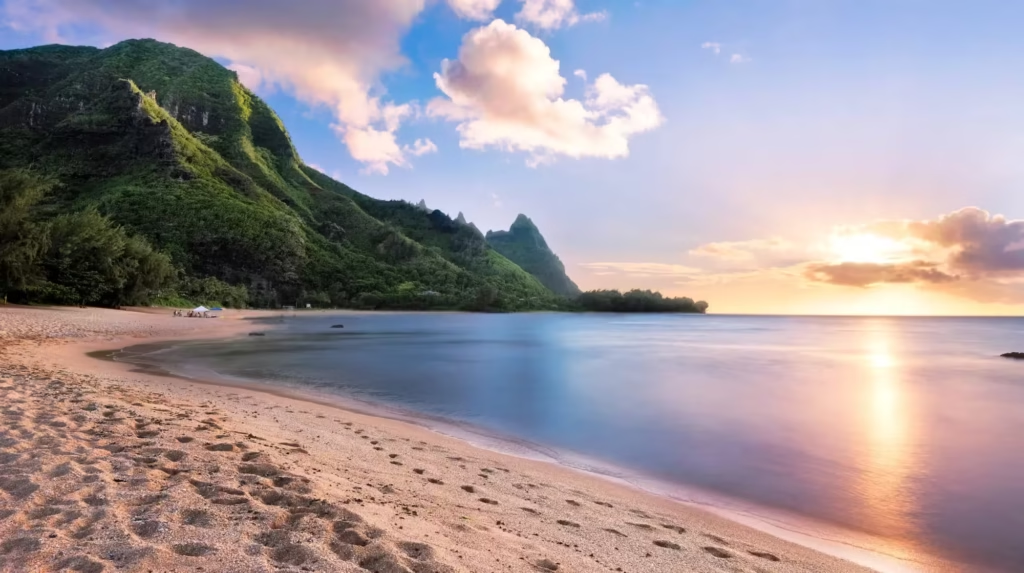
- Kauaʻi: “The Garden Isle.” A paradise of emerald cliffs, the breathtaking Nā Pali Coast, the dramatic Waimea Canyon, and a slower, more rugged pace of life.
Island hopping lets you craft a richer, more complete Hawaiian experience, tailoring your trip to include adventure, relaxation, culture, and cuisine from multiple sources.
The Golden Rule: Less is More
The single biggest mistake first-time hoppers make is trying to see too much in too little time. For a typical one- to two-week vacation, limit yourself to two, or at most three, islands. Each inter-island transfer will consume at least half a day when you account for airport travel, security, flight time, and settling into your new accommodation. You don’t want your vacation to feel like a marathon. Choose islands that complement each other based on your interests. A classic pairing is the energy of Oʻahu with the relaxation of Maui or the adventure of the Big Island with the serenity of Kauaʻi.
Strategic Sequencing: The Route Matters
Think about your trip flow. Do you want to start with high energy and end in relaxation, or vice versa? Also, consider flight logistics. Honolulu (HNL) on Oʻahu is the main hub and often has the most direct flights from the mainland U.S. and internationally. It can be efficient to start or end your trip here. Neighbor island flights (like Maui to Kauaʻi) are frequent but often connect through Honolulu. When booking inter-island flights, look at the direct routes offered by Hawaiian Airlines and Southwest Airlines to minimize backtracking.
Mastering the Logistics: Flights, Packing & Time
Inter-Island Flights: Quick but Require Planning
Inter-island flights are short (20-60 minutes) but require the same diligence as a longer flight. Book your inter-island flights in advance, especially during peak seasons (summer, holidays). While last-minute seats can sometimes be found, you’ll pay a premium and risk your preferred timing. Remember, you will need to collect your checked bags and re-check them for each inter-island flight. Allow a minimum of 1.5 to 2 hours between your arriving flight and your departing inter-island connection.
The Art of the Island Hopping Packing List
Packing light is non-negotiable. You’ll be hauling your bags on and off planes, shuttles, and into multiple hotels. Stick to carry-on luggage if you possibly can. This saves time at baggage claim and eliminates the risk of your bag missing a short hop. Pack versatile, lightweight clothing and remember that Hawaii is casual. Essentials include:
- Reef-safe sunscreen and a hat
- A light rain jacket (especially for Kauaʻi or Hāna)
- Sturdy hiking shoes and water-friendly sandals
- A reusable water bottle
Consider doing a mid-trip laundry load rather than packing for 14 separate days.
Respecting “Hawaiian Time” in Your Schedule
Build buffer time into your itinerary. A flight might be 45 minutes, but the airport process, potential for traffic getting to the airport (yes, even in paradise!), and picking up a new rental car adds up. Never plan a tight, time-sensitive activity for the day you change islands. Use that day for the transfer, settling in, and perhaps one easy, flexible activity near your new lodging.
Choosing Your Home Base on Each Island
To maximize efficiency, select one central accommodation per island rather than moving hotels multiple times on the same island. Research the regions. On Maui, staying in Kīhei or Lahaina offers different advantages. On the Big Island, Kona-side is sunnier and drier, while Hilo-side is closer to the volcano and rainforests. Pick the location that best aligns with the majority of the activities you want to do to minimize daily driving time.
Beyond the Plane: Considering Alternative Routes
While flying is the dominant mode, don’t overlook other options for specific routes. The ferry between Maui and Lānaʻi is a fantastic and scenic way to visit the “Pineapple Isle” for a day trip or overnight. For a truly unique perspective, consider a cruise. A seven-day inter-island cruise with lines like Norwegian or Princess handles all your transportation and lodging, letting you wake up to a new island vista each morning without ever packing your suitcase. It’s the ultimate in hassle-free hopping.
A Sample 10-Day Efficient Island Hop Itinerary
To bring it all together, here’s a balanced sample itinerary for a first-time hopper:
- Days 1-4: Oʻahu. Arrive at HNL. Recover from jet lag in Waikīkī, visit Pearl Harbor, hike Diamond Head, explore the North Shore food trucks, and immerse yourself in Honolulu’s dining scene.
- Day 5: Travel Day. Morning flight to Maui (OGG). Pick up rental car, check into your resort in Kāʻanapali or condo in Kīhei. Spend the afternoon acclimating at the beach or pool.
- Days 6-9: Maui. Dedicate a full day to the Road to Hāna. Wake up early for a sunrise reservation at Haleakalā National Park. Enjoy snorkeling at Molokini Crater or honu (sea turtle) spotting at Hoʻokipa. Relish the legendary sunsets.
- Day 10: Departure. Fly home from OGG or take a morning flight back to HNL for your mainland connection.
Final Pro-Tips for the Savvy Hopper
- Book All Rental Cars Early: Vehicle shortages in Hawaii are real. Secure your cars as soon as your flights are booked.
- Embrace the “Ohana”: Hawaiian Airlines’ mileage program can be worthwhile even for a single trip, offering benefits like free checked bags on inter-island flights.
- Download Offline Maps: Cell service can be spotty on rural roads (like Hāna or parts of Kauaʻi). Have Google Maps downloaded for your routes.
- Travel with Aloha: Be patient, be respectful of the land (‘āina) and culture, and remember you’re on island time. The goal is to create joy, not just check boxes.
Island hopping in Hawaii is the adventure of a lifetime. With thoughtful planning, a commitment to a relaxed pace, and these local-tested tips, you can seamlessly weave together the unique threads of the islands into a beautiful, unforgettable tapestry of memories. Your perfect Hawaiian mosaic awaits—start designing your hop today.