
Romblon Marble: Why This Province Is the Stone Capital of the Philippines
The Philippines sits on one of the richest geological zones in Southeast Asia.
And nowhere is that more visible than in Romblon.
This small island province in the MIMAROPA region holds some of the finest marble deposits in the world. Not just in the Philippines — in the world.
That is not a marketing claim. It is backed by centuries of quarrying, trade, and international demand.
If you have ever walked across a marble floor in a Philippine government building, a hotel lobby, or a historic church — there is a good chance that stone came from Romblon.
Why Romblon Marble Stands Apart
Romblon marble forms through a geological process called metamorphism, where limestone is exposed to extreme heat and pressure over millions of years.
The result is a dense, smooth stone with natural veining patterns that cannot be replicated artificially.
What makes Romblon’s deposits especially valuable:
- Over 100 documented varieties of marble across the province
- Colors ranging from pure white to gray, green, pink, and black
- High density and durability suited for heavy construction use
- Fine grain texture preferred for sculptures and detailed craftsmanship

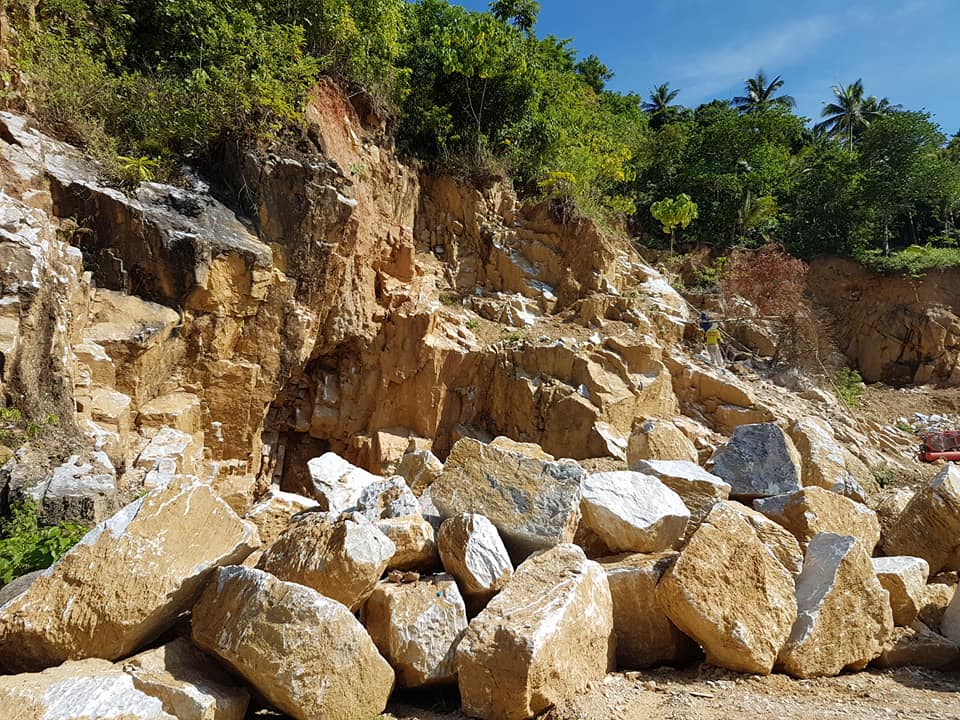
The mountains you see around Romblon town are not ordinary hills. They are marble formations — massive natural deposits that local quarrymen have been cutting into for generations.
A History That Goes Back to the Spanish Colonial Era
The marble industry in Romblon did not start with modern machinery.
It started with Spanish colonial builders who discovered the stone and used it for churches, government structures, and monuments across the archipelago.
Early settlers in Romblon learned to cut and shape marble using basic hand tools. The craft was passed from father to son, generation after generation.
By the American colonial period, marble from Romblon was already being shipped to Manila for construction projects. The stone’s reputation grew steadily throughout the 20th century.
In the 1990s, government programs helped modernize quarrying operations. Processing equipment improved. Export channels opened. Romblon marble began reaching buyers in Japan, the United States, and Europe.
Today the industry employs thousands of workers across the province — from quarry workers and machine operators to artisans, tile cutters, and shop owners.
You can see the history of the province firsthand by visiting Fort San Andres and Romblon Cathedral, two landmarks that reflect how deeply the Spanish period shaped this place.
Where Marble Comes From: The Major Producing Areas
Romblon Town
The capital of the province is surrounded by marble mountains. Local quarries here produce the raw blocks that supply workshops across the island. Walking around Romblon town, you will find marble everywhere — sidewalks, benches, monuments, and storefronts.
Odiongan
Odiongan is the largest town in Romblon and sits on Tablas Island, the biggest island in the province. It hosts several quarrying and processing operations that supply materials for large construction projects nationwide.
Mabini
Mabini is where the artisans live.
This area is known for its concentration of skilled craftsmen who specialize in turning raw marble into finished products. Sinks, tiles, sculptures, custom countertops, decorative panels — Mabini produces all of it.
The craftsmanship here reflects decades of practice and a deep understanding of how the stone behaves under different tools and conditions.

Watching a craftsman work a piece of marble is worth the trip alone. The precision and patience required is remarkable — and it produces pieces that last generations.
What Romblon Marble Is Used For
Construction
Marble flooring, wall cladding, and building facades are the most common applications. The stone’s natural hardness makes it suitable for high-traffic areas in both residential and commercial buildings.
Many government buildings in Manila and other major cities feature Romblon marble in their interiors.
Interior Design
Homeowners and designers choose Romblon marble for countertops, bathroom tiles, kitchen surfaces, and decorative accents. The natural patterns in each slab are unique — no two pieces look exactly the same.

Sculptures and Decorative Art
Local artisans produce sculptures, figurines, vases, and custom art pieces that are sold in local shops and exported abroad.

If you want to buy marble products directly, Romblon Shopping Center is the best place to start. You will find everything from small souvenirs to large custom pieces.

Marble Designs That Reflect Local Identity
Romblon artisans do not just cut stone. They design with it.
Patterns range from classic white tiles to elaborate inlaid designs that combine multiple marble varieties. Some pieces incorporate local motifs and patterns tied to Romblon’s cultural identity.
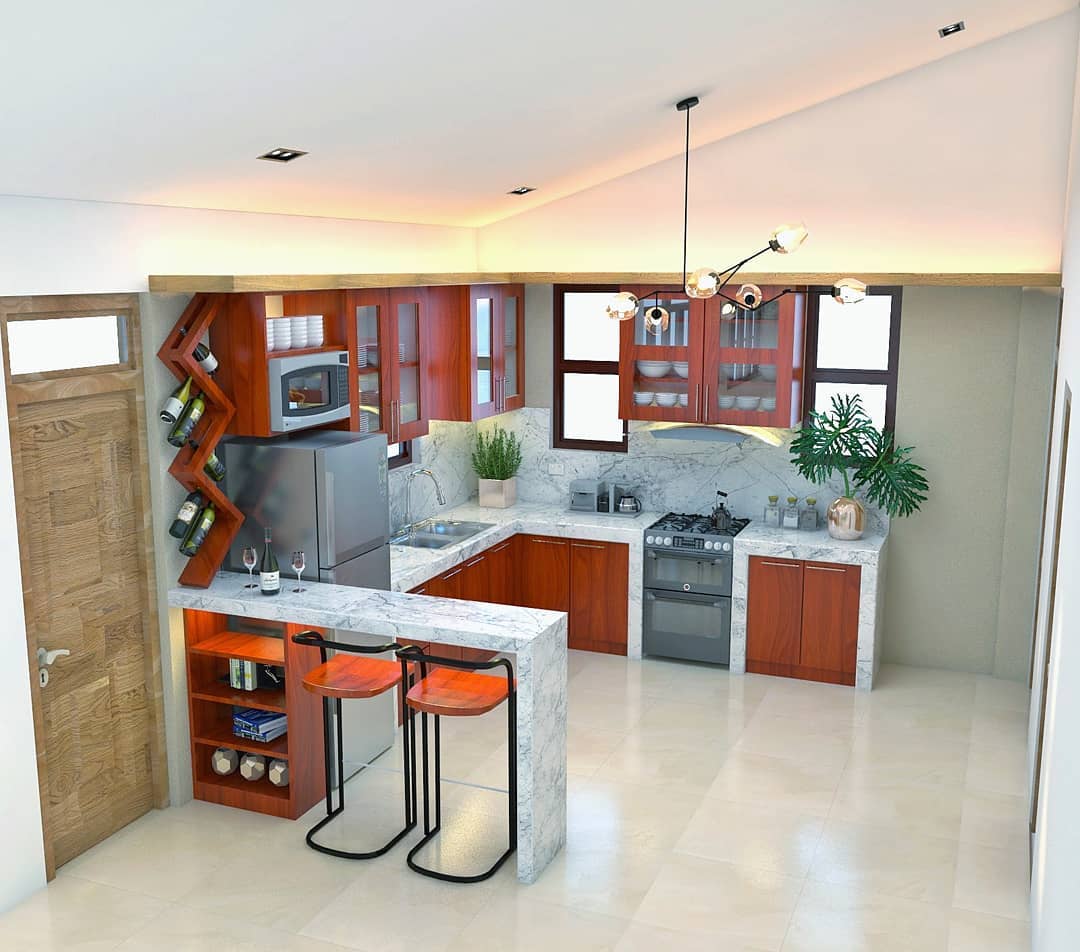
These design pieces are increasingly popular with interior designers from Manila and abroad who want materials with a distinct Philippine origin story.
The Challenges the Industry Still Faces
The marble industry in Romblon is strong — but it is not without problems.
Limited access to modern equipment. Many small quarries still use outdated machinery. Upgrading requires capital that most local operators do not have.
Competition from imported stone. Cheaper imported marble and synthetic alternatives have cut into market share, especially in the mid-range construction segment.
Environmental concerns. Quarrying affects land, water runoff, and local ecosystems. Sustainable quarrying practices are still being developed and adopted unevenly across the province.
Marketing gaps. Many buyers outside the Philippines are not aware of Romblon marble’s quality. Stronger branding and international promotion could open new export markets.
These are solvable problems. But they require investment from both the private sector and government.
Marble and Tourism: A Natural Combination
The marble industry draws visitors on its own.
Tourists come to Romblon to tour active quarries, watch artisans at work, and buy directly from local workshops. This kind of industrial tourism is growing as more travelers look for authentic, place-specific experiences.
But Romblon offers far more than marble.
The province has beaches, dive sites, mountains, and cultural landmarks that give visitors reasons to stay longer and spend more.
Popular natural attractions include:
- Tiamban Beach — one of the most photographed beaches in the province
- Talipasak Beach — a quieter stretch known for clear water and relaxed atmosphere
- Sibuyan Island — home to Mount Guiting-Guiting and some of the most intact forests in the Philippines
For hikers, the Mount Guiting-Guiting preparation guide is essential reading before you go.
Culture and Festivals
Romblon’s identity is not only built on stone.
The Beniray Festival celebrates the province’s heritage, community, and creative traditions each year. It brings together locals and visitors for street performances, competitions, and cultural displays.
These events reinforce why Romblon is worth visiting beyond the quarries — it is a place with deep roots and a community proud of where it comes from.
Getting to Romblon
Travel to Romblon has improved significantly in recent years.
The Romblon Airport now connects the province to Manila with regular flights, cutting travel time dramatically compared to the ferry-only option of the past.
Ferry routes are still available and popular for travelers who want a more scenic journey. If you plan to explore the outer islands, check the guide on how to get to Banton Romblon for ferry schedules and tips.
FAQ: Romblon Marble Industry
Why is Romblon called the Marble Capital of the Philippines?
Romblon holds the largest and most diverse marble deposits in the country. The province has been quarrying and producing marble products for centuries, supplying construction projects, artisans, and exporters nationwide.
What types of marble come from Romblon?
Over 100 varieties have been documented, including white, gray, green, pink, and black marble. Each variety has different properties suited for different uses, from heavy construction to fine decorative work.
Can tourists visit marble quarries in Romblon?
Yes. Several quarries and workshops in Romblon town and surrounding areas welcome visitors. It is best to arrange a visit through a local guide or tourism office to ensure access and safety.
Where can I buy Romblon marble products?
Romblon Shopping Center in Romblon town is the main retail hub for marble products. You can also buy directly from workshops in Mabini and other areas. Products range from small souvenirs to large custom slabs.
Is Romblon marble exported internationally?
Yes. Romblon marble has been exported to Japan, the United States, Europe, and other markets. Demand for high-quality natural stone from verified sources continues to grow internationally.
How does the marble industry affect Romblon’s economy?
The industry supports thousands of workers across quarrying, processing, and retail. It is one of the province’s primary sources of income and contributes to tax revenue, employment, and small business growth.
What is the future of Romblon’s marble industry?
Growth depends on modernizing equipment, developing sustainable quarrying practices, and improving international marketing. Tourism integration — where visitors experience the industry firsthand — is one promising direction already gaining momentum.
Romblon is not just a place with marble.
It is a place shaped by marble — its economy, its culture, its architecture, and its identity.
Whether you come to buy stone, watch craftsmen work, or simply explore the islands, you leave with a clearer picture of what makes this province different from anywhere else in the Philippines.