
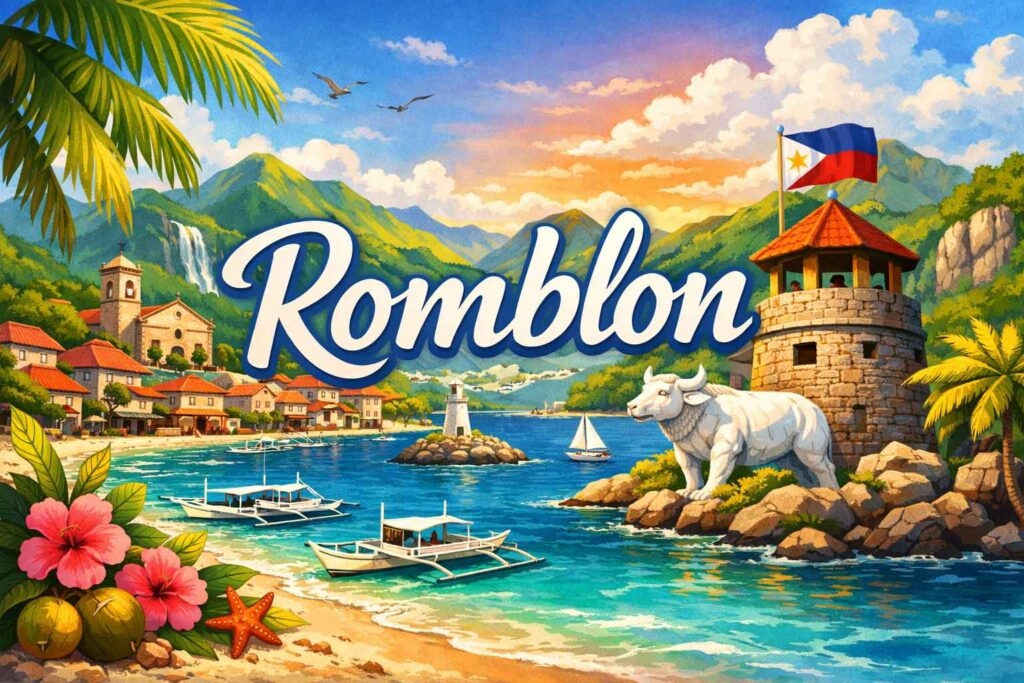
3 Experimental Romblon Island Methods: My Solo Adventure to a Hidden Philippine Gem
Romblon Province is one of the Philippines’ best-kept secrets. Often overlooked by mainstream tourists, it offers pristine beaches, lush landscapes, rich biodiversity, and a relaxed island pace. In February 2012, I embarked on a fast yet unforgettable journey to Carabao Island, marking my 52nd Philippine province visited. This was part of a “5-day Panay Island adventure,” and it was during this trip that I discovered three experimental ways to explore Romblon—approaches that transformed my understanding of this quiet paradise.
Here are 3 experimental Romblon Island methods that made my solo adventure unforgettable.
1. Arrival and Immersion: Discover Romblon Like a Local
My journey began at the port of Romblon City, located along the naturally sheltered Romblon Bay. The bay has long served as a haven for ships during inclement weather, and arriving early in the morning allowed me to take in the peaceful surroundings. The charm of the town was immediately evident, with its Spanish-influenced architecture and relaxed atmosphere.
One cannot visit Romblon without exploring the historical heart of the island. The Romblon Cathedral is a must-see landmark, reflecting centuries of cultural history. Nearby, Fort San Andres offers a glimpse into the island’s strategic past, built to guard against pirate attacks. These historical sites provide context for understanding Romblon’s development and the resilience of its people.
For travelers wanting to stay overnight, numerous lodging options are available. From budget inns to luxury resorts, the key is to book in advance and choose accommodations suited to your travel style. Check out this guide on where to stay in Romblon to plan your visit effectively.
2. Island Hopping and Natural Exploration: Beyond the Beaches
Romblon Island is more than just its marble reputation; it is a hub for ecotourism. The first experimental method I tried was island immersion through island hopping. From Romblon City, I visited nearby islets like Alad and Carabao, each offering its unique charm. Alad Island, with its secluded coves, proved perfect for snorkeling and quiet reflection, while Carabao Island’s pristine waters made it ideal for diving.
Unlike Boracay, Romblon’s beaches remain uncrowded. Tiamban Beach and Talipasak-San Pedro Beach are examples of serene stretches where the sand and water are untouched by mass tourism. For travelers who want to explore beyond Romblon, ferries connect to Sibuyan Island, often referred to as the “Galapagos of Asia” for its high concentration of endemic species. Those who seek hiking adventures can plan trips to Mt. Guiting-Guiting with guidance from this hiking guide.
The second experimental method I applied was eco-centric island exploration, which involves minimal interference with the environment. Observing coral reefs, taking guided nature walks, and supporting local eco-resorts ensures that tourism benefits both visitors and the local ecosystem. Sustainable practices like these not only preserve Romblon’s natural beauty but also provide travelers with authentic experiences.
3. Cultural Integration and Community Engagement
The third experimental method was immersive cultural engagement. Romblon’s cultural scene is rich, from local crafts to festivals. I timed my visit to coincide with the Beniray Festival, a colorful celebration that showcases traditional music, dance, and artistry. Participating in the festival allowed me to interact with locals, learn traditional practices, and gain insights into Romblon’s vibrant community life.
Romblon’s shopping scene is equally reflective of its culture. The Romblon Shopping Center offers handcrafted souvenirs and daily essentials, allowing travelers to support local businesses while enjoying a glimpse of island life. Food is another avenue for cultural integration. Local eateries serve fresh seafood, traditional Filipino dishes, and simple yet memorable meals. Eating with local families, as I did on Carabao Island, offered stories, warmth, and an authentic taste of island life.
Travel and Transportation Tips
Getting around Romblon requires patience and planning. Boats depart daily to nearby islands, but schedules can change depending on weather conditions. Resorts such as Dream Paradise Mountain Resort provide vans for land trips, which are convenient for exploring areas that are otherwise difficult to reach.
If you are short on time, flying into Romblon Airport or taking the 2GO ferry from Roxas Pier on Panay Island are the most efficient options. For travelers planning to visit Banton or other smaller islands, this guide on how to get to Banton, Romblon is invaluable.
Experiencing Romblon’s Natural Wonders
Romblon’s landscapes are breathtaking. Aside from the beaches, the province is home to remarkable biodiversity. Nearby Sibuyan Island’s Mt. Guiting-Guiting is surrounded by primary forests with species found nowhere else on Earth. Back on Romblon Island, the combination of white sand, limestone formations, and emerald waters makes every hike and beach visit a visual delight.
Snorkeling and diving around Carabao Island revealed vibrant marine life, from colorful corals to schools of tropical fish. The province’s commitment to preserving these natural habitats ensures that travelers can enjoy these experiences without overcrowding or environmental degradation.
Food, Accommodation, and Hospitality
Romblon’s culinary scene is unpretentious yet flavorful. Local eateries, carinderias, and even small resorts serve fresh seafood and traditional Filipino dishes. Dining with locals enhances your understanding of island life, and trying home-cooked meals gives you insight into daily routines and flavors that are rarely found in tourist hubs.
Accommodations range from budget-friendly inns to more luxurious resorts. Choosing a place to stay depends on your travel style, but the key is to prioritize proximity to activities like island hopping, diving, or beach excursions. The guide on where to stay in Romblon helps simplify this process.
Final Thoughts: The Value of Experimental Methods
Romblon Island remains one of my most memorable solo travel experiences in the Philippines. By applying these 3 experimental Romblon Island methods—arrival immersion, eco-centric exploration, and cultural integration—I gained a deeper appreciation for the province’s natural, historical, and cultural treasures.
Whether you’re interested in diving, hiking, island hopping, or simply enjoying the laid-back island life, Romblon offers something for every traveler. While planning and patience are essential, the reward is an authentic, uncrowded, and enriching travel experience.
From historic landmarks like Romblon Cathedral and Fort San Andres to peaceful beaches, diverse ecosystems, and vibrant festivals, Romblon proves that some of the Philippines’ most incredible destinations are often hidden in plain sight.
By experimenting with travel methods, you can transform your visit into a truly memorable adventure, uncovering the hidden gems of Romblon while supporting sustainable and culturally respectful tourism. Whether island hopping to Alad and Carabao, hiking on Sibuyan, or sampling local cuisine, Romblon delivers a journey unlike any other.
For those wanting to explore neighboring islands, Tablas Island is a perfect extension to your itinerary, offering more diverse landscapes and cultural experiences while remaining less crowded than mainstream destinations.