
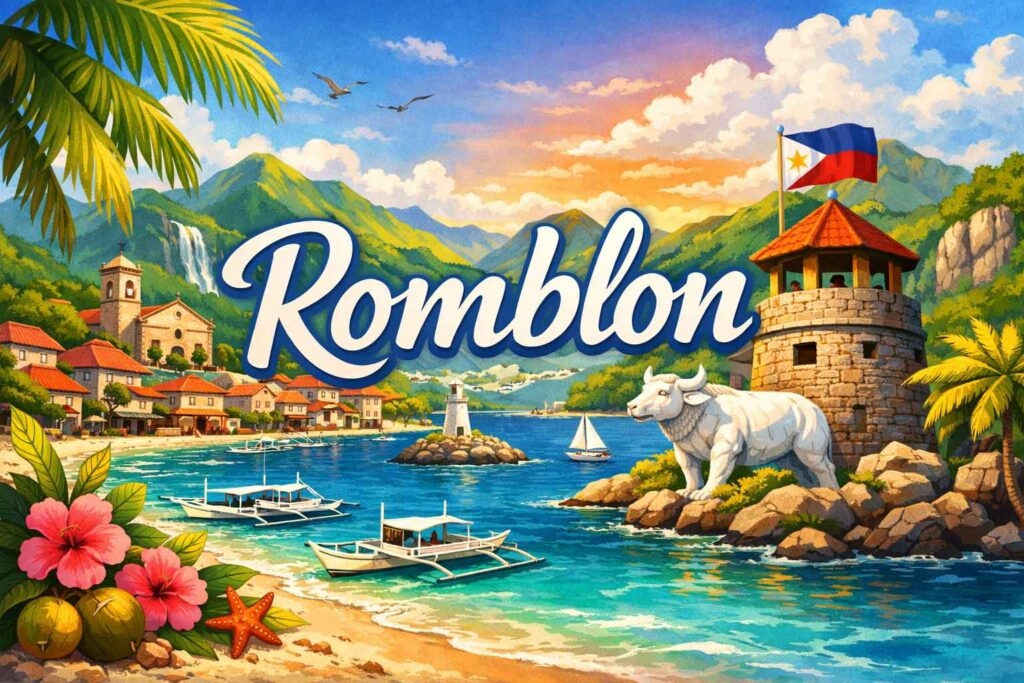
10 Lessons About Romblon Island You Should Know
Romblon Island, nestled in the heart of the Philippine archipelago, is a destination that blends natural beauty, culture, and adventure. Sandwiched between Tablas and Sibuyan Islands, Romblon is renowned for its marble, pristine beaches, and rich biodiversity. This guide shares ten essential lessons for anyone planning to visit, highlighting everything from logistics to hidden gems, so you can make the most of your trip.
1. Getting There Requires Planning
Romblon is accessible via air and sea. Most travelers fly into Romblon Airport or take a ferry from Batangas to Tablas Island, followed by a jeepney, motorcycle, trike, or van ride to San Agustin, then another ferry to Romblon. While the journey may seem long, it offers stunning scenery along the way. For trips to nearby islands, check out how to get to Banton, Romblon.
2. Romblon Island Is a Marble Haven
Known as the “Marble Capital of the Philippines,” Romblon is dotted with marble workshops and shops. Visiting the Romblon Shopping Center is a must. Artisans craft everything from vases, ashtrays, and keychains to elaborate sculptures. Watching these skilled craftsmen at work offers insight into an age-old tradition and the effort behind every piece.
3. Accommodations for Every Type of Traveler
Romblon offers accommodations ranging from boutique hotels to beachfront resorts. A highlight is the newer lodgings on Carabao Island, where rooms are surrounded by private flower gardens, providing a tranquil escape. Whether you prefer a cozy inn or a luxurious resort, where to stay in Romblon has options for every traveler. Booking early ensures you get your preferred spot, as some locations offer exclusive, quiet stays.
4. Beaches and Snorkeling Adventures
Romblon boasts some of the most untouched beaches in the Philippines. Tiamban Beach and Talipasak San Pedro Beach are perfect for swimming, sunbathing, and snorkeling. Cobrador Island features a famous snake-shaped sandbar connecting it to Bangug Island. Carabao Island, in particular, is off the beaten path and ideal for divers, with reefs suitable for beginners and expert macro photographers alike. Be sure to bring your snorkeling gear, as rentals are limited.
5. Rich History and Culture
Romblon is steeped in history and religious tradition. Landmarks like Fort San Andres and the Romblon Cathedral showcase Spanish-era architecture and historical significance. Festivals such as the Biniray Festival celebrate local culture with colorful parades, traditional music, and dancing, attracting both locals and visitors from abroad. Participating in these events offers a deep cultural immersion.
6. Environmental Awareness
Romblon and its surrounding islands face environmental challenges, including illegal logging and mining, which threaten the natural beauty and biodiversity. Understanding these challenges can help travelers act responsibly, ensuring minimal impact on the ecosystem. Exploring islands like Sibuyan Island (Sibuyan Island Guide) requires both physical preparation and respect for the environment, as some areas are rugged and remote.
7. Adventure Awaits Beyond Romblon
Romblon isn’t just about beaches. Activities like diving, hiking, and exploring hidden pools tucked in rock formations provide adventure for all types of travelers. Carabao Island is still relatively undiscovered, offering pristine dive sites and secluded beaches. For hiking enthusiasts, Mt. Guiting-Guiting on Sibuyan Island is a challenging trek. Learn more about preparations at things to know before planning a trip to Mt. Guiting-Guiting.
8. Dining and Local Food Experiences
Romblon has an array of dining options, from cafes and local eateries to more specialized establishments. Some highlight fresh seafood and homemade treats like gelato. Certain accommodations may not include meals, so it’s essential to bring your own food and drinks if needed. Adding a local café to your itinerary can elevate the experience, combining delicious food with warm hospitality from locals.
9. Logistics: Cash, Power, and Transport
One critical lesson is to always bring sufficient cash, as ATMs may not always be operational. Electricity may also be limited due to diesel-powered systems, but recent initiatives have introduced solar photovoltaic systems and lithium-ion batteries to provide more reliable energy. Travelers should also plan transportation ahead of time, as public options are limited, and chartering boats from locals can be a convenient alternative for island hopping.
10. Peace, Quiet, and Local Interaction
Unlike Boracay, Romblon offers tranquility away from mass tourism. While exploring, you’ll encounter locals engaged in daily life, fishing, and running small businesses. Being respectful, asking for guidance, and engaging with residents adds depth to your experience. Whether it’s snorkeling in calm reefs, visiting a private pool tucked away in rocks, or simply enjoying an empty beach, Romblon rewards those seeking relaxation and genuine cultural exchange.
Final Thoughts
Romblon Island is a destination that appeals to a wide range of travelers—from adventure seekers and divers to history buffs and beach lovers. The lessons shared above provide insights into travel logistics, cultural engagement, environmental responsibility, and local experiences. Whether you’re exploring the marble shops, attending festivals, hiking mountains, or diving around Carabao Island, Romblon delivers a unique and memorable experience.
For broader exploration, don’t miss Tablas Island, which is the largest island in the province, and the smaller surrounding municipalities, each offering its own charm and hidden gems. Romblon’s blend of history, culture, and natural beauty makes it a must-visit destination for any traveler seeking something off the beaten path.