
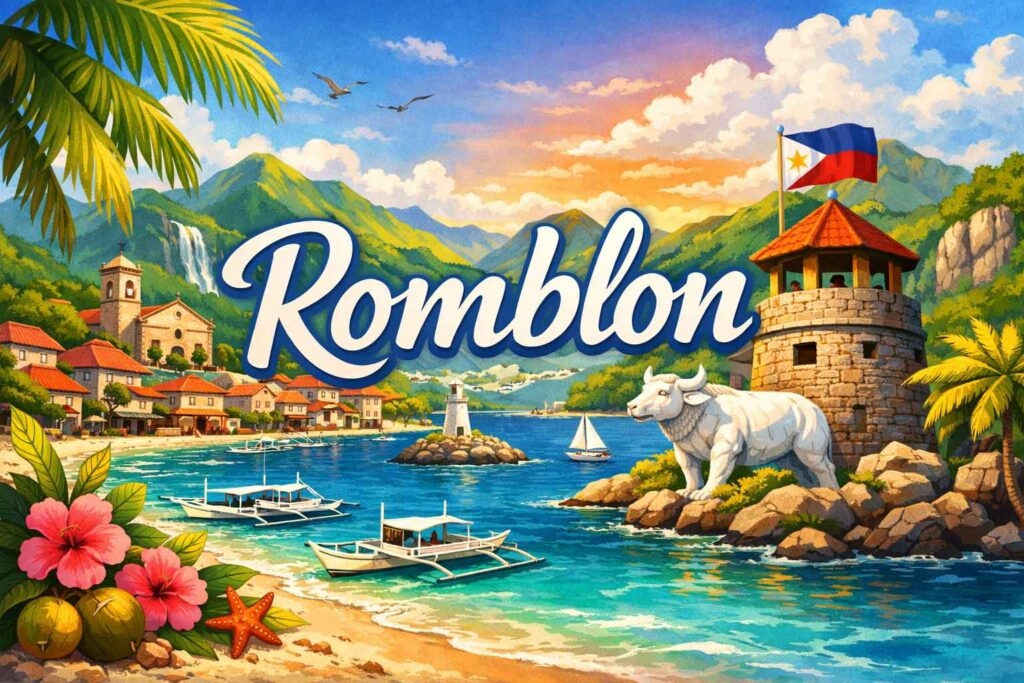
Romblon Island is one of the Philippines’ hidden treasures, offering a mix of natural beauty, cultural heritage, and economic potential. This Romblon Island Report: Statistics and Particulars provides a deeper look into the island’s geography, tourism, economy, and key insights—helping travelers, investors, and locals better understand what makes Romblon unique.
At the same time, it’s important to recognize that while the island continues to gain attention, challenges remain. As discussed in Romblon Island Awards: 4 Reasons They Don’t Work, recognition alone is not enough to drive sustainable growth. Real progress depends on infrastructure, promotion, and community involvement.
Romblon Province is composed of three main islands: Romblon, Sibuyan, and Tablas. Each island offers distinct landscapes and experiences. Romblon Island, the provincial capital, is known for its marble industry, heritage sites, and accessible beaches. Tablas Island, the largest, has emerging resorts and transport hubs, while Sibuyan Island is famous for its biodiversity and is often called the “Galapagos of Asia.”
For more about nearby destinations, explore Sibuyan Island (https://romblonparadise.com/sibuyan-island/) and Tablas Island (https://romblonparadise.com/tablas-island/).
Geography and Natural Features
Romblon’s geography is shaped by its island setting and rich geological history. The province lies within a complex tectonic zone where continental and oceanic plates meet. Studies have shown variations in crustal thickness across the region, reflecting its dynamic formation through arc-continent collision.
Sibuyan Island, in particular, is notable for its ultramafic rock formations, including lherzolites and dunites. These geological features contribute to the island’s unique soil composition and biodiversity.
Beyond science, the island’s natural beauty is what draws visitors. Beaches like Bonbon Beach offer long white sandbars, while more secluded spots such as Tiamban Beach (https://romblonparadise.com/tiamban-beach/) and Talipasak San Pedro Beach (https://romblonparadise.com/talipasak-san-pedro-beach-romblon-romblon/) provide peaceful escapes.
Tourism Statistics and Trends
Tourism in Romblon is steadily growing, though it remains less crowded compared to major destinations. This gives the island an advantage—it can attract visitors seeking quiet, authentic experiences.
Popular activities include:
- Beach hopping (Bonbon, Logbon, and Alad Islands)
- Island tours via boat or tricycle
- Diving and snorkeling in coral-rich waters
- Hiking and trekking in Sibuyan
Despite these attractions, visitor numbers are still limited by accessibility. Travelers often take overnight ferries from Batangas or fly to Tablas via Romblon Airport (https://romblonparadise.com/romblon-airport/), followed by additional transfers.
For alternative routes, you can check How to Get to Banton Romblon (https://romblonparadise.com/how-to-get-to-banton-romblon/).
Accommodation and Local Businesses
Romblon’s accommodation sector ranges from simple hostels to mid-range resorts. While there are known establishments such as beachfront inns and dive resorts, many smaller businesses operate quietly without strong online presence.
Examples of accommodations across the province include:
- Beach hostels near Tiamban
- Small inns in the town proper
- Resorts in Tablas and Sibuyan
If you’re planning your stay, visit Where to Stay in Romblon Hotels & Resorts (https://romblonparadise.com/where-to-stay-in-romblon-hotels-resorts/) for options.
Local businesses also play a key role in the economy. Restaurants, transport services, and souvenir shops contribute to tourism income. The Romblon Shopping Center (https://romblonparadise.com/romblon-shopping-center-romblon-romblon/) is one of the main hubs for goods and supplies.
Culture and Heritage
Romblon’s cultural identity is deeply rooted in history and tradition. Spanish-era structures such as Romblon Cathedral (https://romblonparadise.com/romblon-cathedral/) and Fort San Andres (https://romblonparadise.com/fort-san-andres-in-romblon/) reflect its colonial past.
Festivals like the Beniray Festival (https://romblonparadise.com/beniray-festival-of-romblon/) highlight the island’s vibrant community spirit. These events bring together locals and visitors through music, dance, and religious celebrations.
Marine Life and Environmental Data
Romblon is surrounded by rich marine ecosystems, making it a promising destination for diving and conservation. Coral reefs support a wide range of species, including rare seahorses such as Hippocampus severnsi.
However, environmental challenges persist. Overfishing, coastal development, and lack of regulation threaten marine habitats. Conservation programs and citizen science initiatives are helping address these issues by collecting data and promoting awareness.
Protected areas like Bunsoran Marine Protected Area are steps toward sustainable tourism and environmental protection.
Transportation and Accessibility
Transportation remains one of the biggest factors affecting Romblon’s growth. While its remote location adds charm, it also limits accessibility.
Common travel options include:
- Overnight ferries from Batangas
- Flights to Tablas Island
- RORO vessels to Odiongan, followed by land travel
Once on the island, tricycles and jeepneys are the primary modes of transport. Chartering a tricycle is a convenient option for visiting multiple attractions in one day.
Adventure and Outdoor Activities
Romblon offers a variety of outdoor activities for adventure seekers. From cliff jumping at Marakay Marakay to exploring caves and waterfalls, there’s plenty to experience.
Sibuyan Island is a top destination for trekking. Mt. Guiting-Guiting, one of the most challenging climbs in the Philippines, attracts experienced hikers. Before planning your climb, read Things to Know Before Planning a Trip to Mt. Guiting-Guiting (https://romblonparadise.com/things-to-know-before-planning-a-trip-to-mt-guiting-guiting/).
Island hopping is also popular, with stops at Logbon, Alad, and Cobrador Islands. These destinations offer untouched beaches and clear waters perfect for relaxation.
Economic Highlights
Romblon’s economy is driven by a mix of tourism, agriculture, and its famous marble industry. The province produces high-quality marble used for sculptures, tiles, and construction materials.
To learn more about this industry, visit Marble in Romblon (https://romblonparadise.com/marble-in-romblon/).
Agricultural products such as coconut, rice, bananas, and root crops also contribute to local livelihoods.
Challenges and Opportunities
While Romblon has strong potential, it faces several challenges:
- Limited infrastructure
- Low tourism visibility
- Environmental concerns
- Lack of large-scale investment
These issues align with the insights from Romblon Island Awards: 4 Reasons They Don’t Work. Awards and recognition alone cannot solve these problems.
However, opportunities remain:
- Growth in eco-tourism
- Expansion of digital promotion
- Support for local businesses
- Improved transportation systems
Romblon Island continues to evolve as a destination. Its strength lies in its authenticity—uncrowded beaches, rich culture, and welcoming communities.
This Romblon Island Report: Statistics and Particulars shows that beyond the numbers, the island’s real value comes from its people and natural environment. With the right balance of development and preservation, Romblon has the potential to become one of the Philippines’ top destinations—without losing its charm.